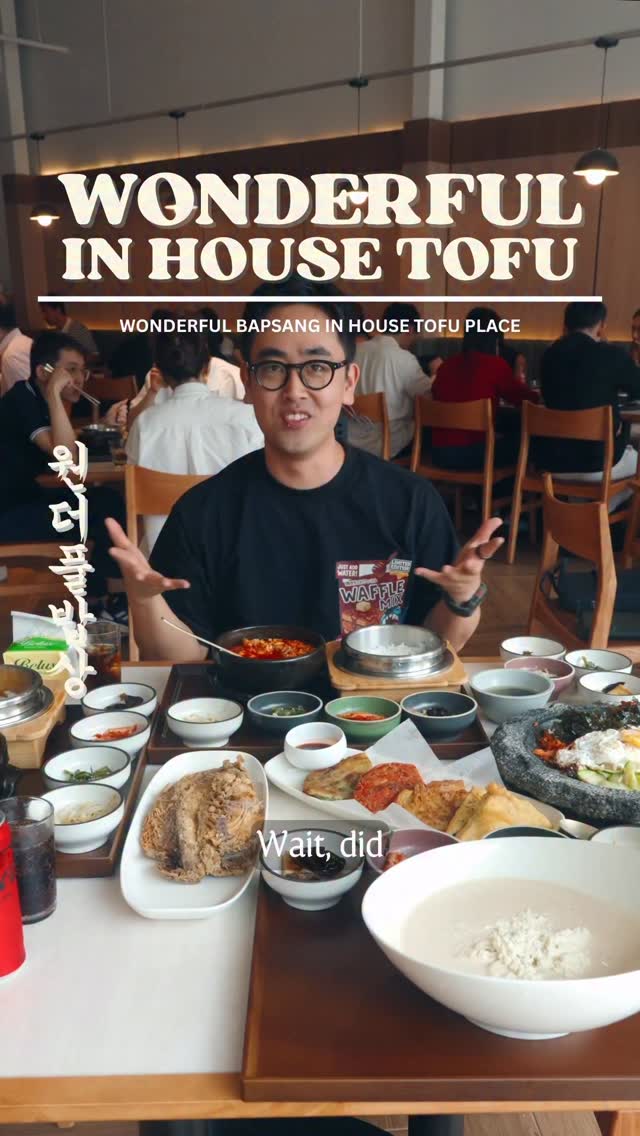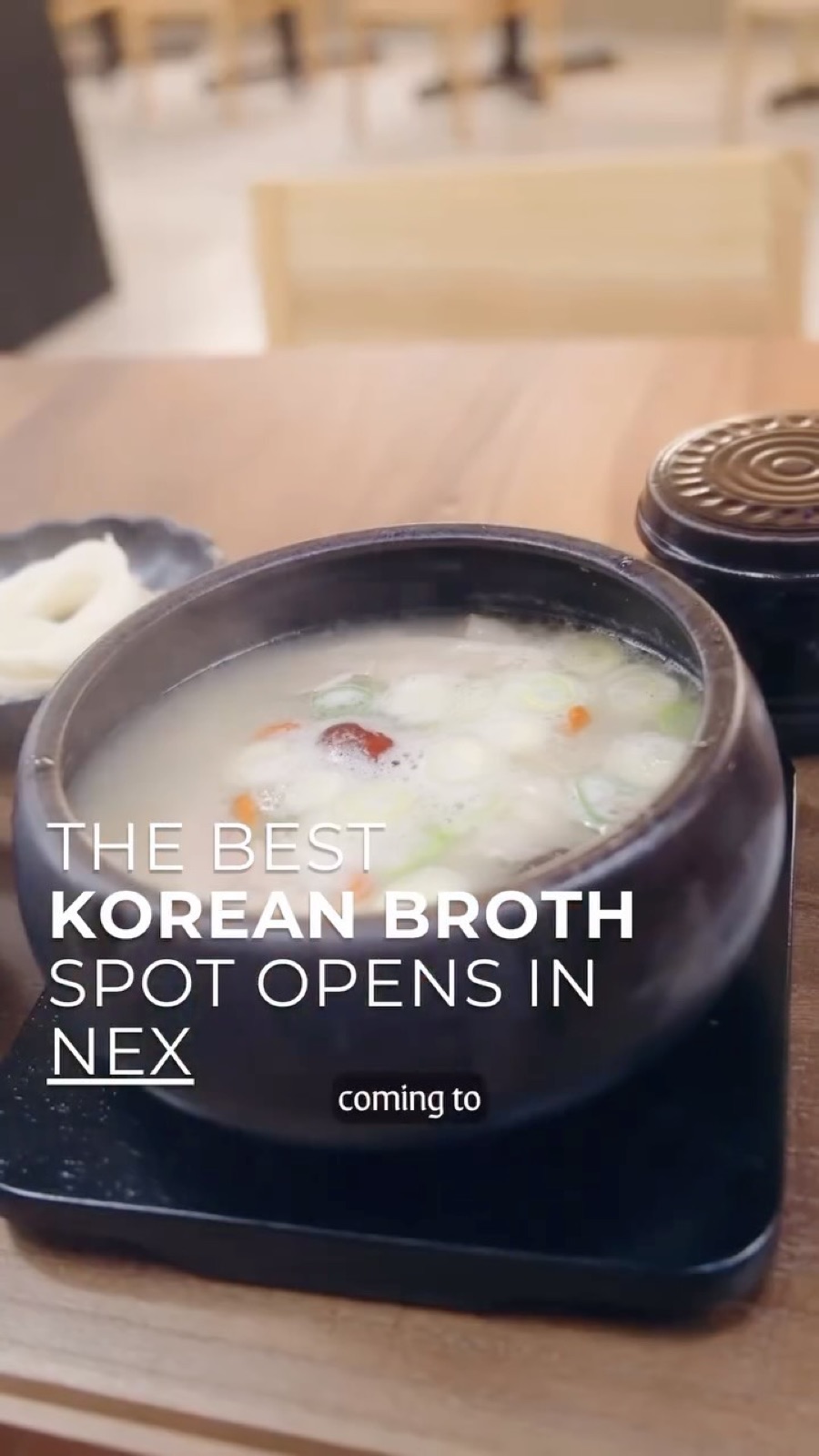
Onggii NEX brings one of Singapore’s recognised Korean broth specialists to Serangoon, giving North East diners a closer place to try its pork and ox gomtang. The opening post described the NEX location as a limited 315-day run, so this was presented as a temporary window rather than a permanent new branch.
The broth is the reason to start here. Order the pork gomtang or ox gomtang for a first visit, drop the rice directly into the soup, mix through the red paste and add a little kimchi juice at the end. The result is simple, warming and built around the comfort of a proper Korean soup.
What Is Onggii at NEX?
Onggii at NEX is a Korean gomtang and stew restaurant at #02-13 in NEX, Serangoon. It opened on 19 February with a stated 315-day run, making this a limited-time branch for diners in the North East.
The menu focus is clear. Pork gomtang and ox gomtang lead the recommendations, supported by beef galbijjim, pork kimchi jjim and kimchi pancakes. You do not need to navigate a long list of unfamiliar dishes. Start with the broth, then add one or two substantial sides if the table wants more.
Onggii stands out as one of Singapore’s stronger Korean broth spots, serving soups that are comforting, high quality and reasonably priced. Check the current menu for individual prices before visiting.
Which Gomtang Should You Order First?
New diners should begin with either the pork gomtang or the ox gomtang. They represent the straightforward, comforting side of Onggii’s menu.
Choose between the pork and ox versions according to which broth and meat you prefer. Both are safe starting points, with the emphasis placed on the quality and comfort of the soup rather than elaborate toppings.
This makes the gomtang a practical first order for anyone visiting Onggii NEX for the first time. It establishes what the restaurant is known for before the richer sides arrive. If you are dining alone, one bowl can remain the focus. If you are sharing, the gomtang can anchor the meal while the table adds galbijjim, kimchi jjim or a pancake.
For a home version of Korean soup and rice, The Hansang also has an Okdongsik-style pork gukbap recipe. It is a separate recipe, but it shares the same appeal of meat, clear broth and rice served together.
How Should You Eat the Gomtang?
The recommended way to eat Onggii’s gomtang is to put the rice directly into the soup. Mix in the red paste, then finish with a little kimchi juice. That sequence changes the bowl from a clear, gentle broth into something fuller and more seasoned.
Start by tasting the soup so you understand its original flavour. Then add the rice and let it absorb the broth. The red paste provides the next layer, while the kimchi juice brings acidity and seasoning at the end. The combination is deeply comforting and has the kind of warmth that brings a sense of calm.
The instruction is simple, but it gives the meal a clear progression. You are not committed to the red paste or kimchi juice from the first spoonful. You can build the bowl gradually, keeping the broth mild at first and making it bolder as you eat.
Rice in soup is also what turns the gomtang into a complete, sustaining order. The broth remains central, but the rice gives every spoonful more weight. It is the part of the Onggii NEX experience that stays with you most strongly.
Is the Beef Galbijjim Worth Adding?
The beef galbijjim is the side not to skip. It is sweet, juicy and deeply marinated, providing a richer contrast to the restrained comfort of the gomtang.
That contrast is the reason it makes sense as a shared addition. The soup is soothing and simple, while the braised beef brings sweetness and a more concentrated marinade. Alternating between the broth and galbijjim keeps the table from feeling locked into one flavour or texture.
Portion sizes and prices can change, so check the current menu and share according to the size of your group and appetite. Among the side dishes, this is the strongest recommendation.
If your priority is the restaurant’s broth, order the gomtang first and add galbijjim when the table wants a richer meat dish. It should support the soup rather than replace the reason for visiting.
What Is the Pork Kimchi Jjim Like?
The pork kimchi jjim is the savoury, tangy alternative among the larger sides. It has the comforting feeling of a slightly tangy, tomato-like stew while remaining distinctly Korean.
The important source-backed qualities are savouriness, a gentle tang and comfort. It offers another way to stay within the stew side of the menu without ordering a second gomtang. For diners who want more acidity beside the broth, this is the side that best matches that preference.
It also creates a different pairing from the beef galbijjim. The galbijjim leans sweet and deeply marinated; the pork kimchi jjim leans savoury and tangy. A table deciding between them can use that distinction rather than treating both as interchangeable braised dishes.
The exact spice level, pork cut and ingredient list may vary, so ask the restaurant if those details matter to your order.
Should You Get the Kimchi Pancakes?
Yes. The kimchi pancakes are worth making room for alongside the galbijjim and kimchi jjim.
The pancakes add a separate format to a meal otherwise centred on soups and braised dishes. That makes them a sensible table order when several people are sharing. You can move between spoonfuls of gomtang, richer meat dishes and pieces of pancake without repeating the same kind of bite.
Check the current menu for the pancake’s size and price. The useful conclusion is simple: it was one of the standout side-dish recommendations during the opening visit.
The complimentary kimchi sides are the kind you keep reaching for, and their juice can become part of seasoning the gomtang.
What Was the Opening Promotion?
The Instagram post described a short opening promotion running from 19 February until the end of February 2026. Diners who brought a parent or grandparent aged 65 or older, limited to one per paying diner, could receive either a pork gomtang or an ox gomtang when ordering a gomtang or stew set.
That promotion was tied to the opening period and is included only as historical context. Diners should not plan a visit around it.
The limited 315-day NEX run is separate from the February promotion. The branch itself was announced as temporary, while the family offer had a much shorter stated window. Keeping those two timelines separate avoids turning an old opening incentive into a current claim.
Is Onggii NEX Worth Visiting?
Onggii NEX is worth considering when you want Korean broth in Serangoon and prefer a menu with a clear first order. Start with pork or ox gomtang, add the rice to the soup, season it with red paste and kimchi juice, then choose a side based on the table’s mood.
Choose beef galbijjim for something sweet, juicy and deeply marinated. Choose pork kimchi jjim for a savoury dish with a slight tang. Add kimchi pancakes when the group wants another dish to share. That is enough to build a focused meal without over-ordering.
For another warming Korean soup idea at home, see the 15-minute gamjatang shortcut. At Onggii, however, the practical draw is the chance to sit down with a finished bowl of gomtang at NEX.
Confirm opening hours, reservation rules, halal status and current promotions directly with the restaurant before visiting. The reason to go remains clear: comforting Korean broth in the North East, supported by three sides that each bring a different character to the meal.
FAQ
Where is Onggii at NEX?
Onggii is at NEX, #02-13, in Serangoon. The opening post described it as a limited 315-day location.
What should a first-time diner order?
Start with the pork gomtang or ox gomtang. Put the rice into the soup, mix in red paste and add a little kimchi juice.
Which side dishes were recommended?
Try the beef galbijjim, pork kimchi jjim or kimchi pancakes. The galbijjim is sweet and deeply marinated, while the kimchi jjim is savoury with a slight tang.
Is the family promotion still available?
The promotion ran from 19 February until the end of February 2026. It is an expired opening offer, not a current promotion.