№01
Korean Cafe Drinks: Injeolmi and Omija Recipes
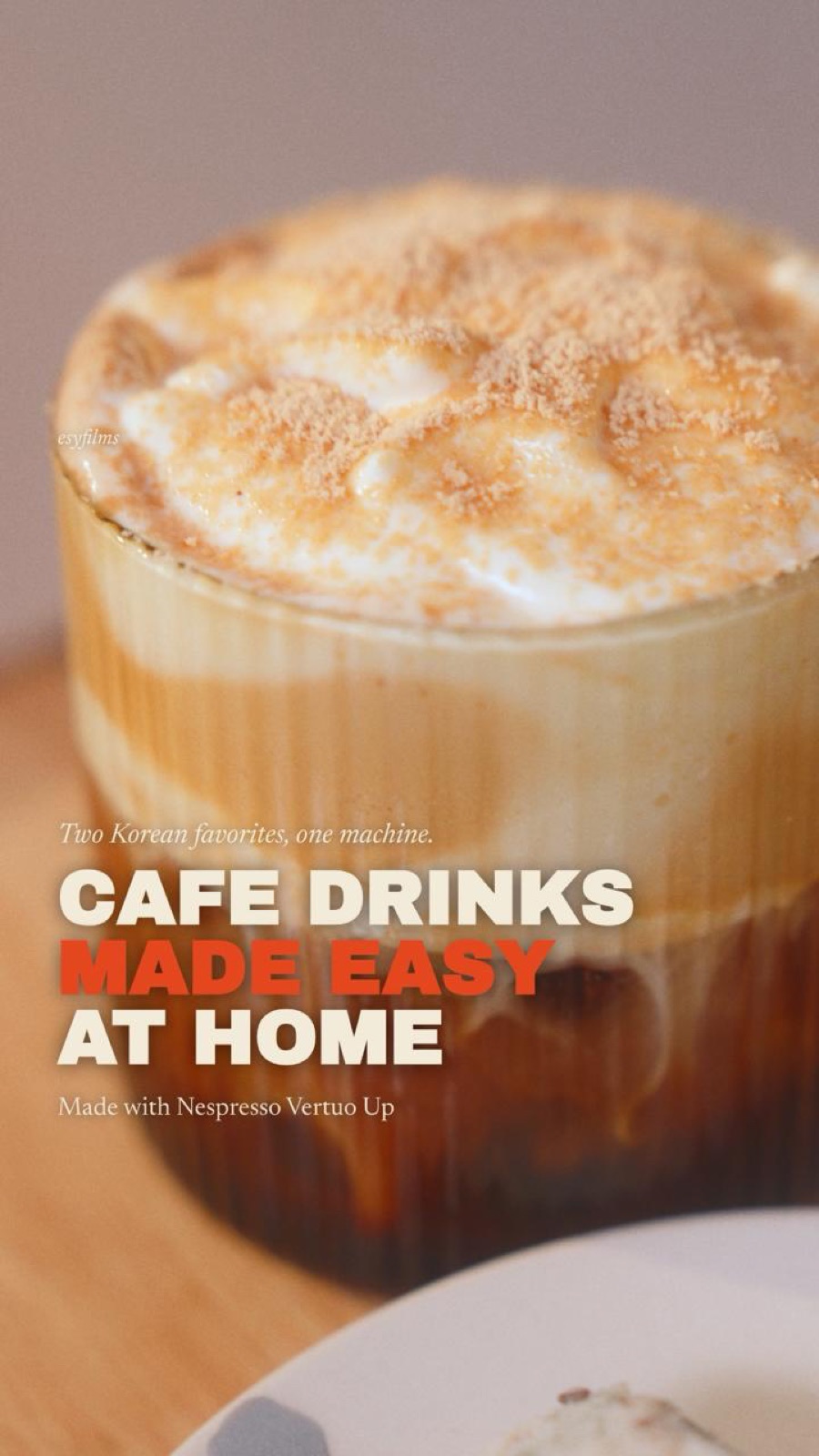
A creamy injeolmi Einspanner and a bright omija Aerocano, each built over concentrated iced coffee.
Recipes you'll actually make more than once. Tested in a Singapore HDB kitchen with ingredients from Shopee, Don Don Donki, and the grocer downstairs.
A creamy injeolmi Einspanner and a bright omija Aerocano, each built over concentrated iced coffee.
A creamy injeolmi Einspanner and a bright omija Aerocano, each built over concentrated iced coffee.
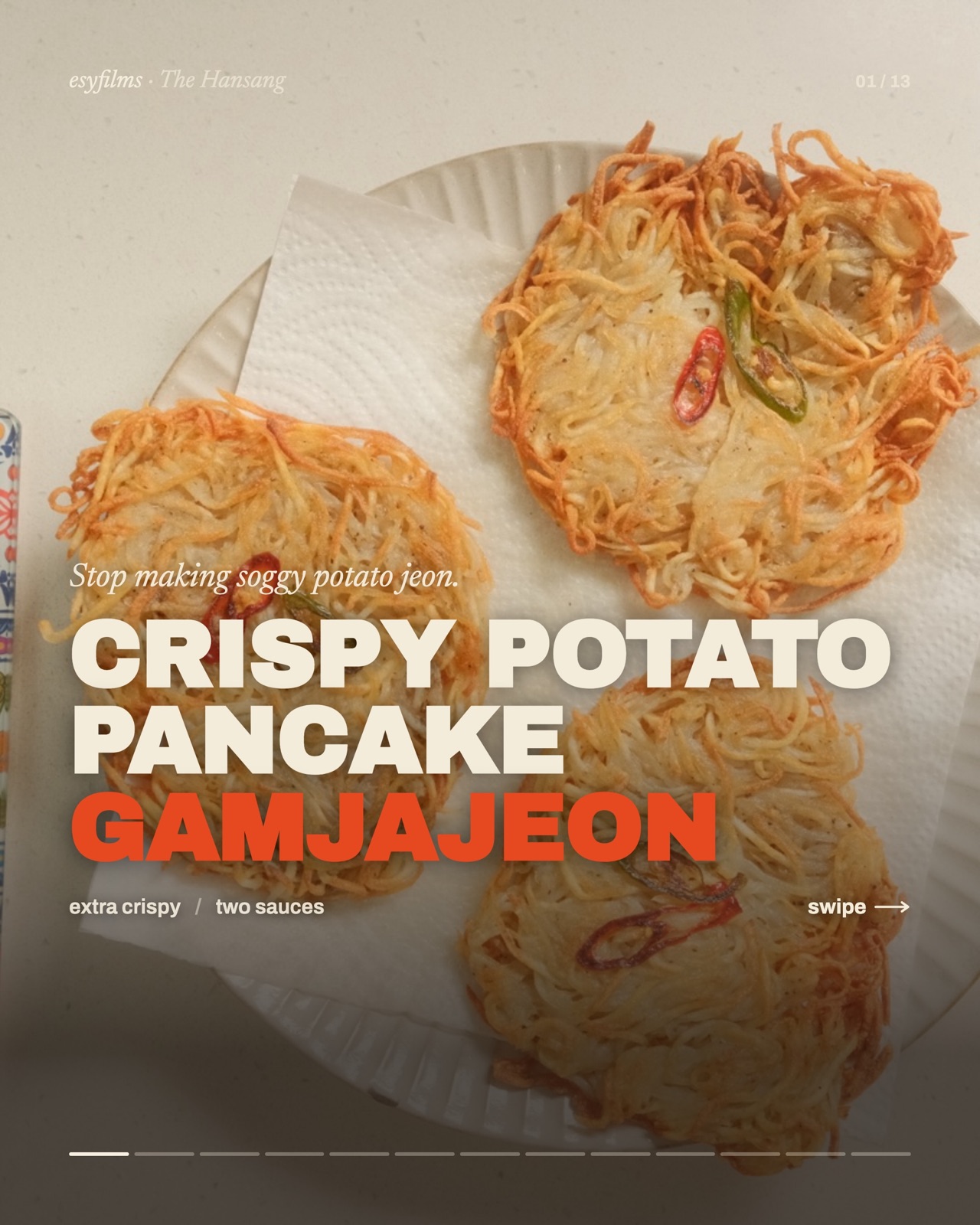
Thin potato shreds, a firm squeeze and two sharp sauces for a crisp-edged Korean jeon.
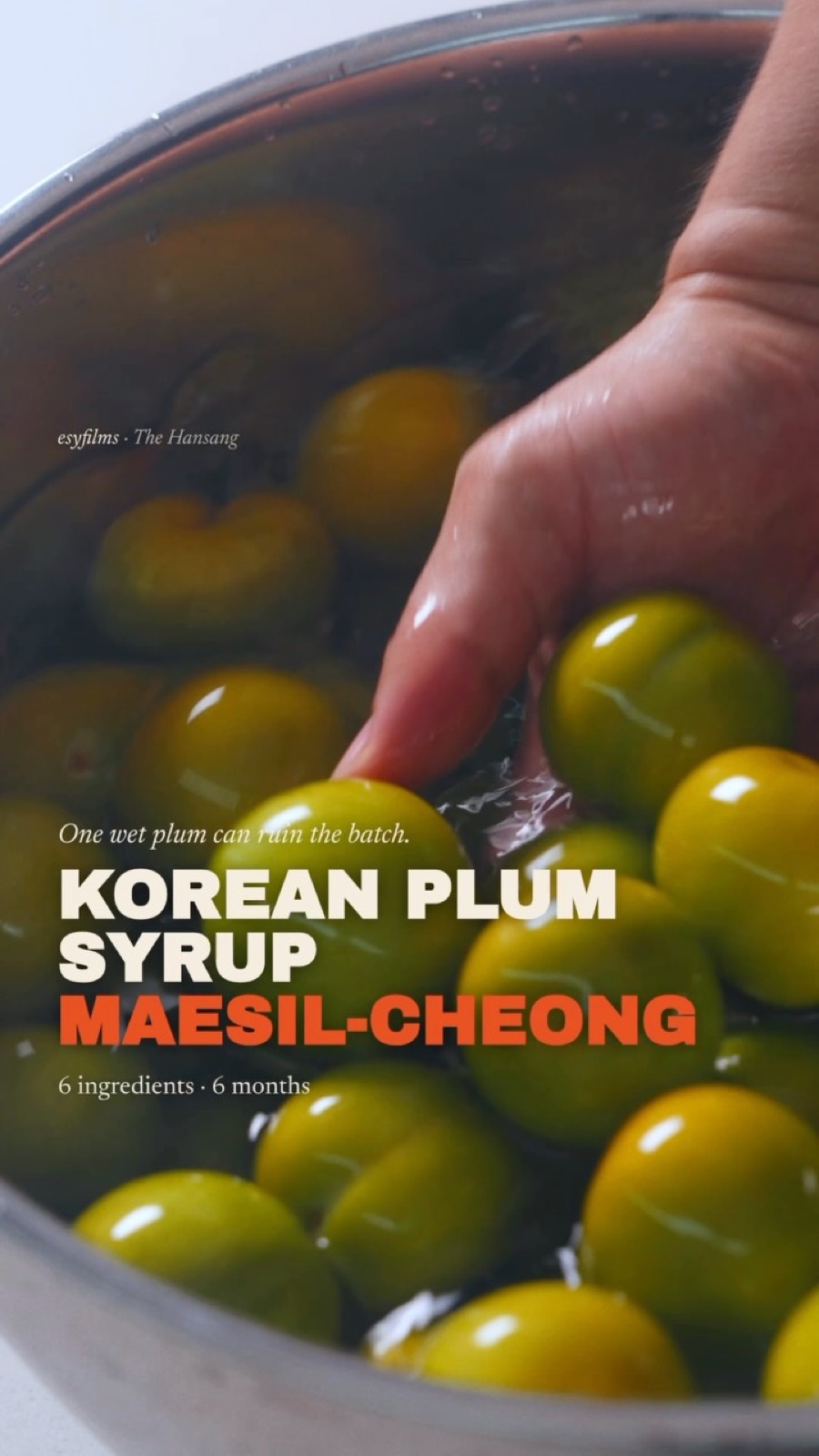
Green plums, three sweeteners and a careful drying step for a syrup that rewards a long wait.
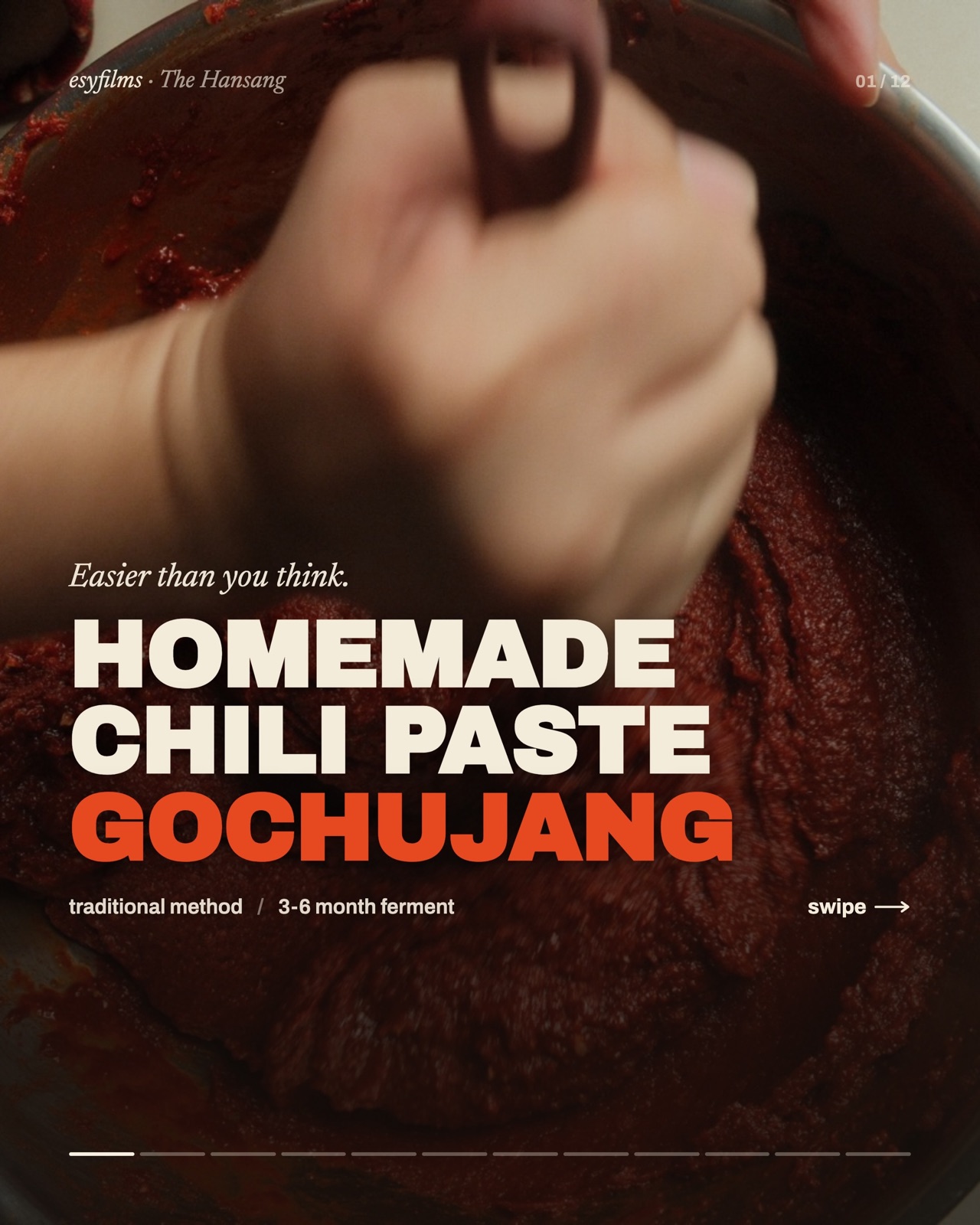
A traditional Korean chilli paste that rewards patience with a deep, rich fermented flavour.
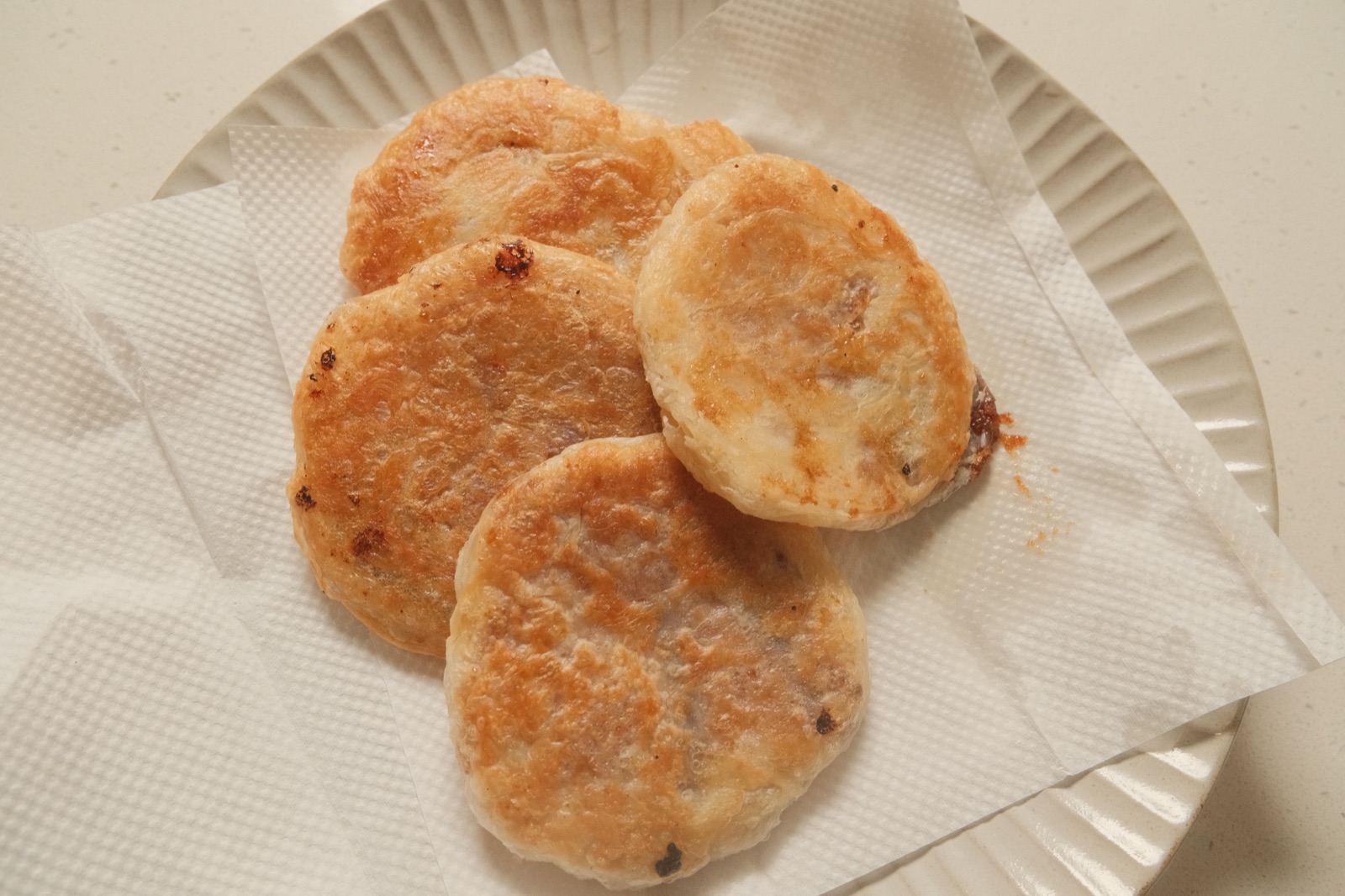
A frozen-paratha shortcut with a crisp, flaky shell and hot cinnamon-sugar centre.
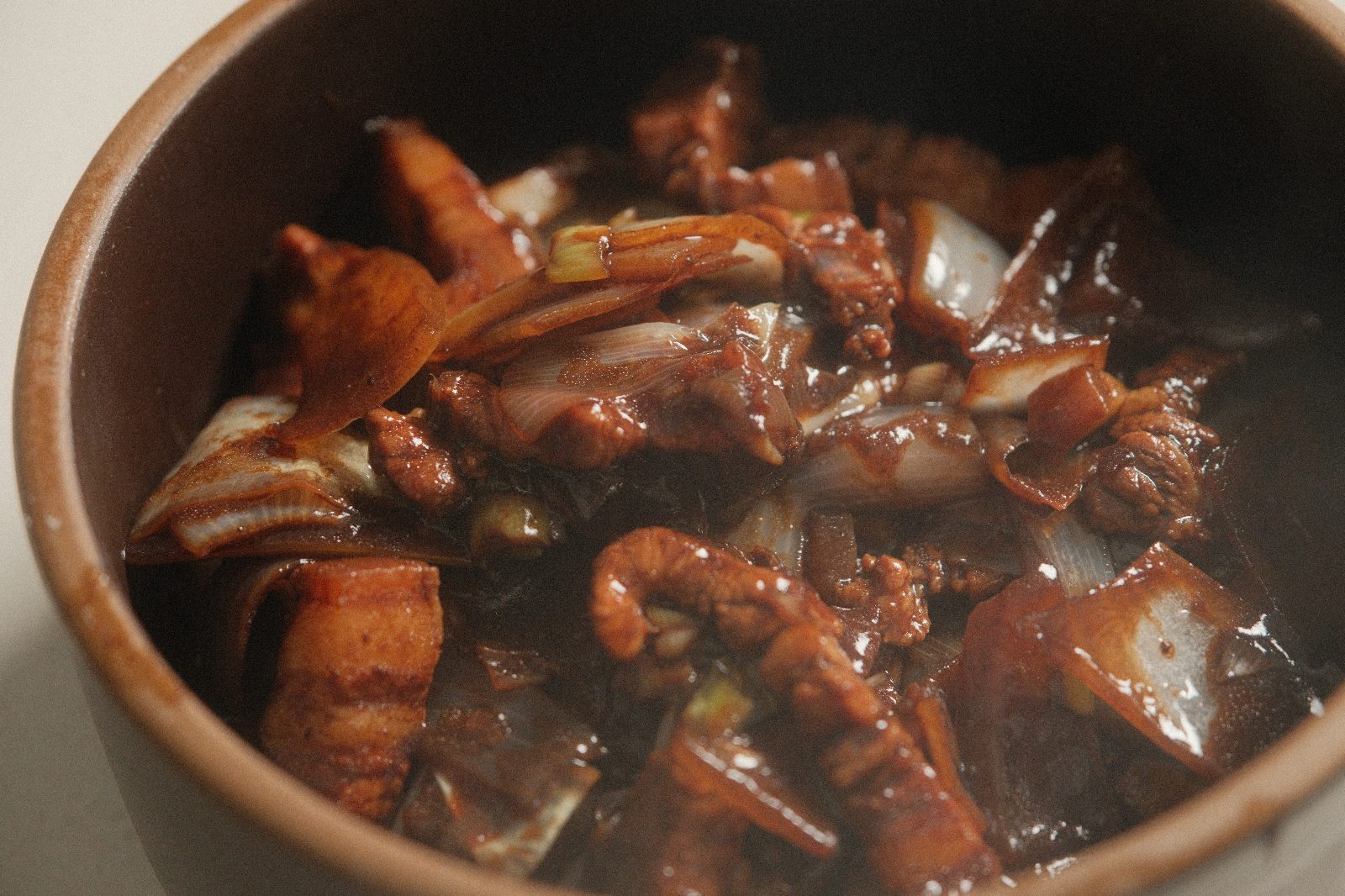
Rendered pork belly oil gives homemade jjajangmyeon a deep, restaurant-style richness with no MSG.
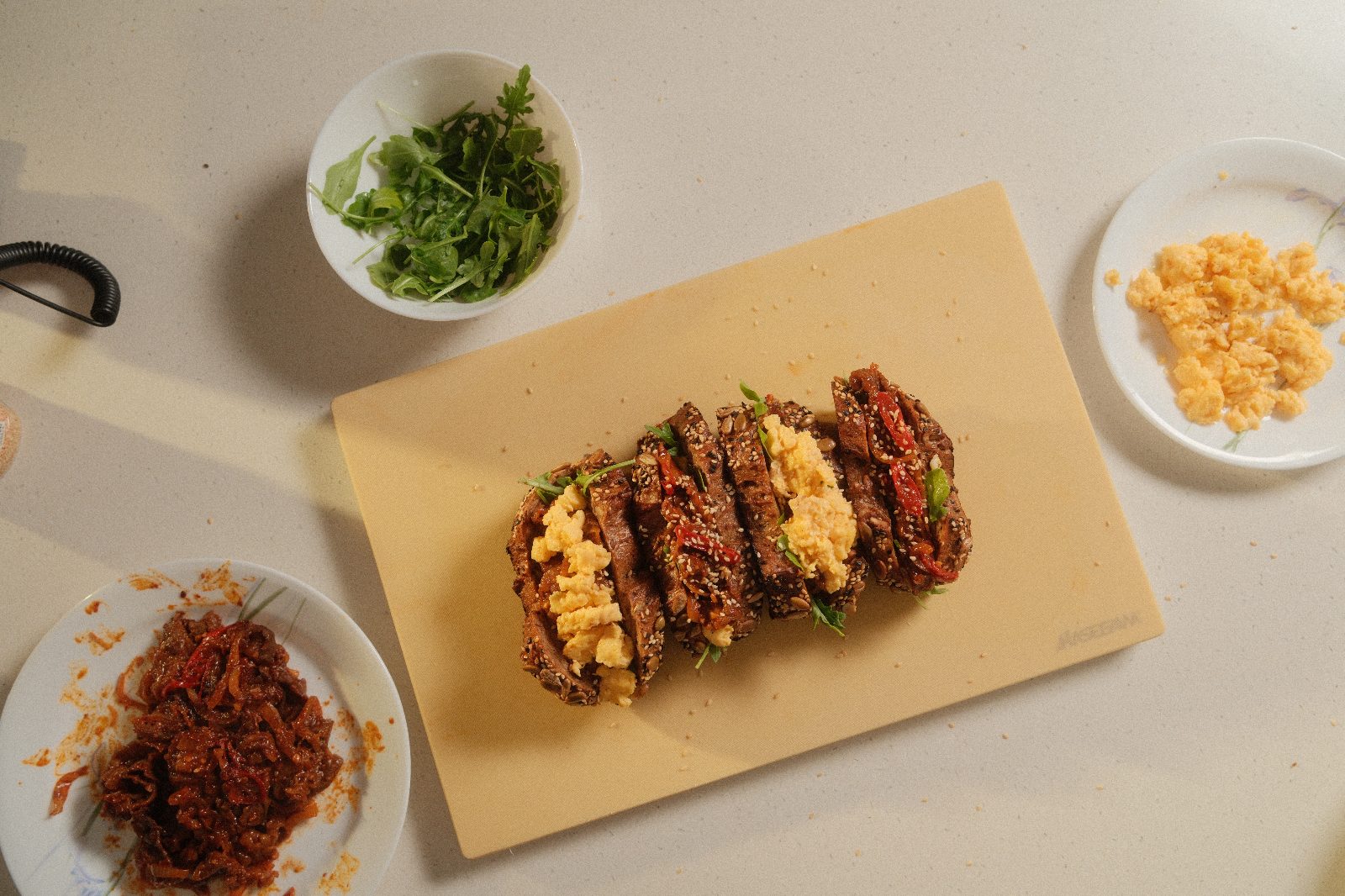
Spicy stir-fried beef on rye, cooked drier so it stays crisp, finished with soft scrambled egg.
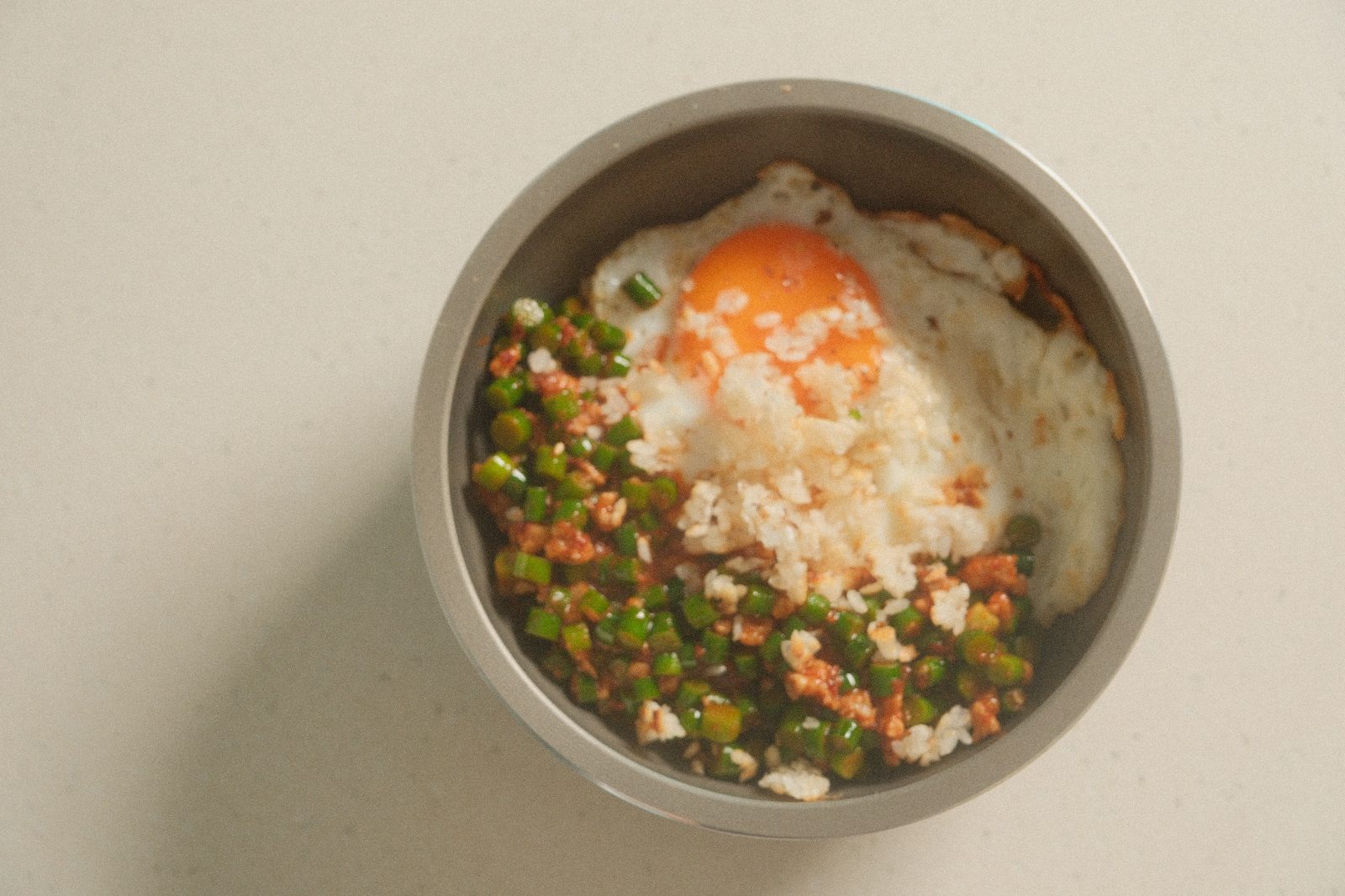
Blanched garlic scapes, a glossy pork gochujang sauce, hot rice and a sunny egg make a bibimbap bigger than the effort.
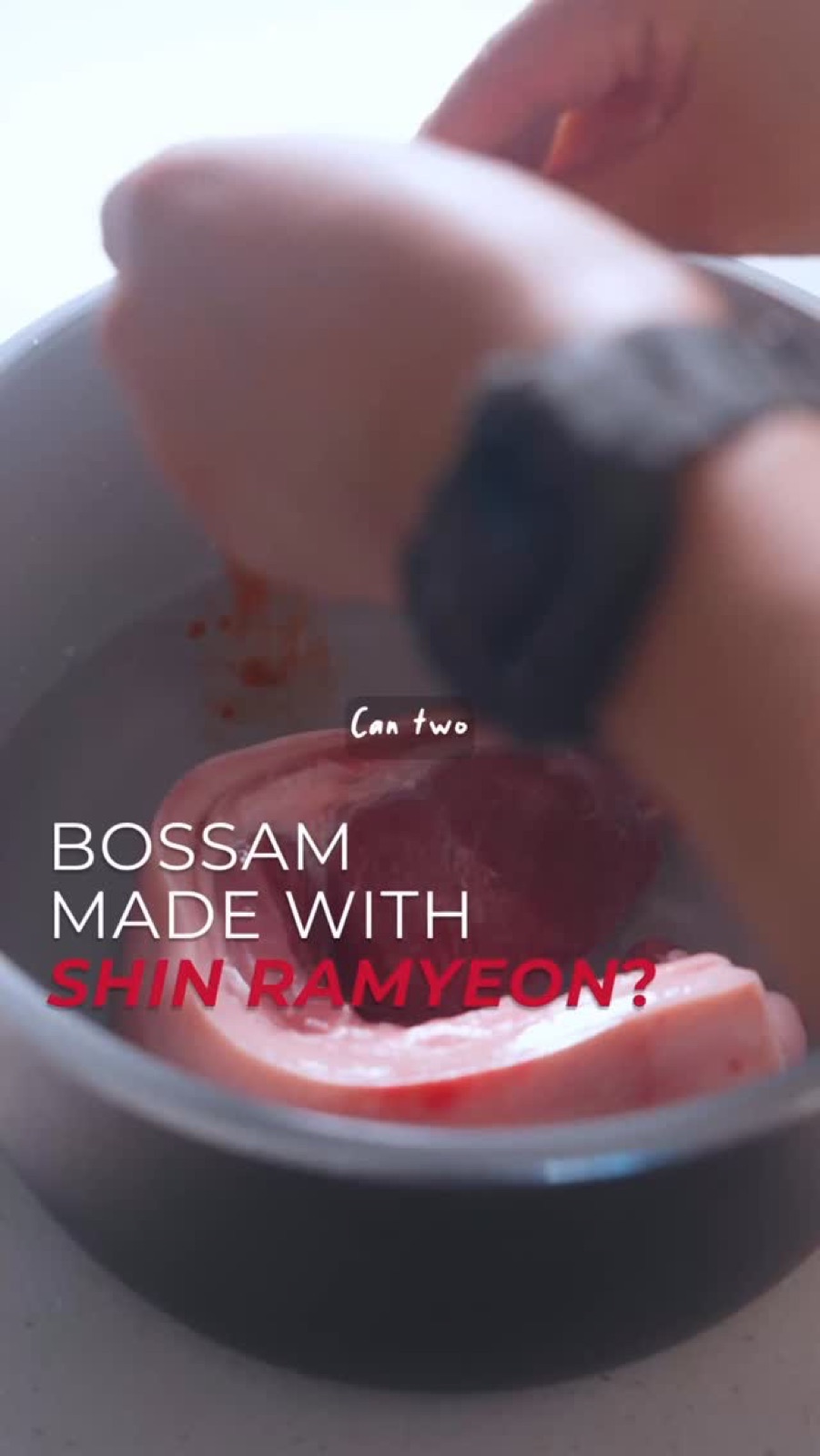
Two Shin Ramyeon seasoning packets, pork hind leg and a pressure cooker, tested for whether the hack really seasons bossam.
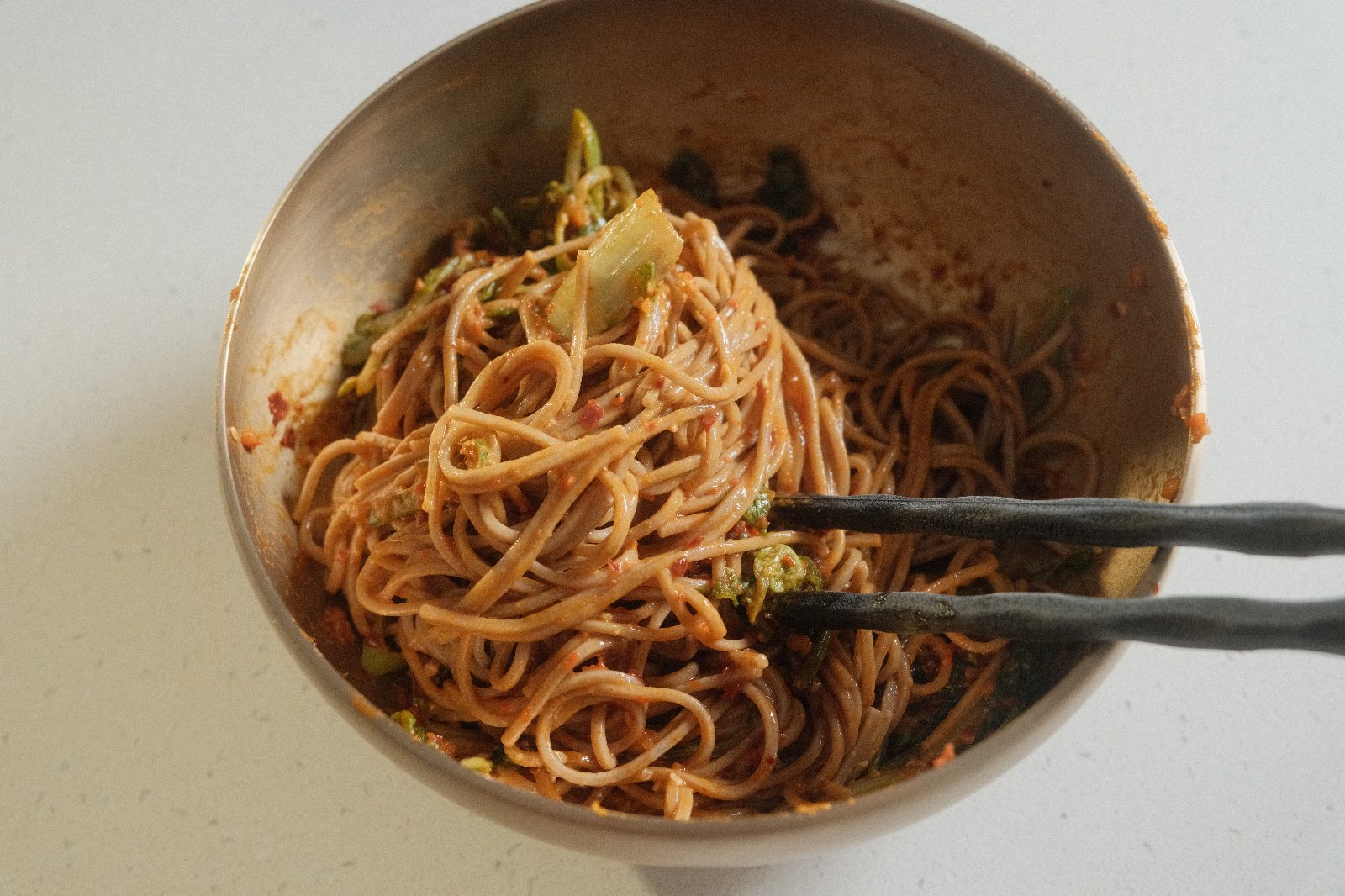
Crunchy fresh eolgari cabbage in a spicy-sour perilla oil sauce over chewy cold buckwheat noodles.
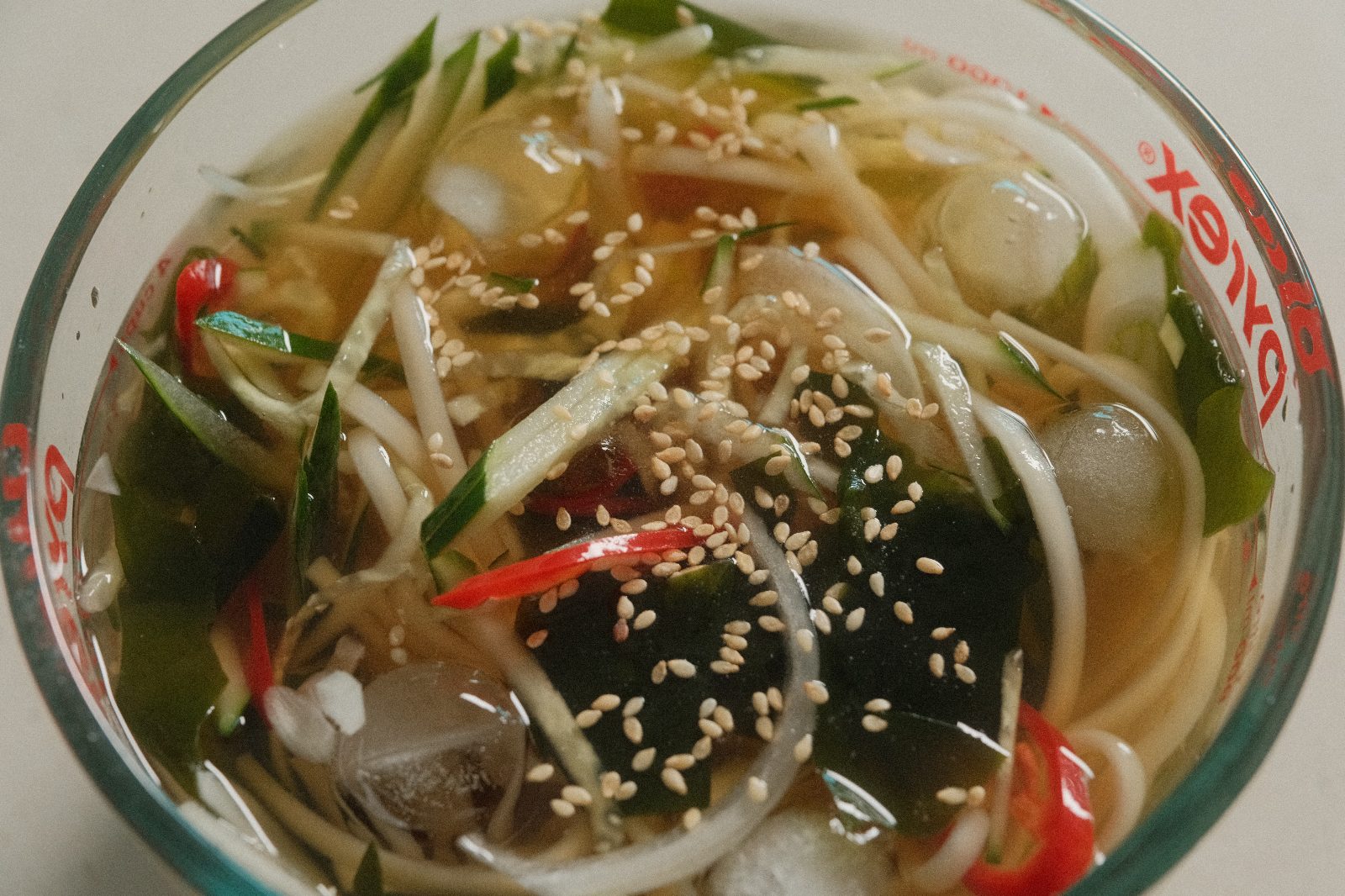
A sweet-and-sour Korean cucumber seaweed broth poured over ice-bathed chewy udon, ready in ten minutes.
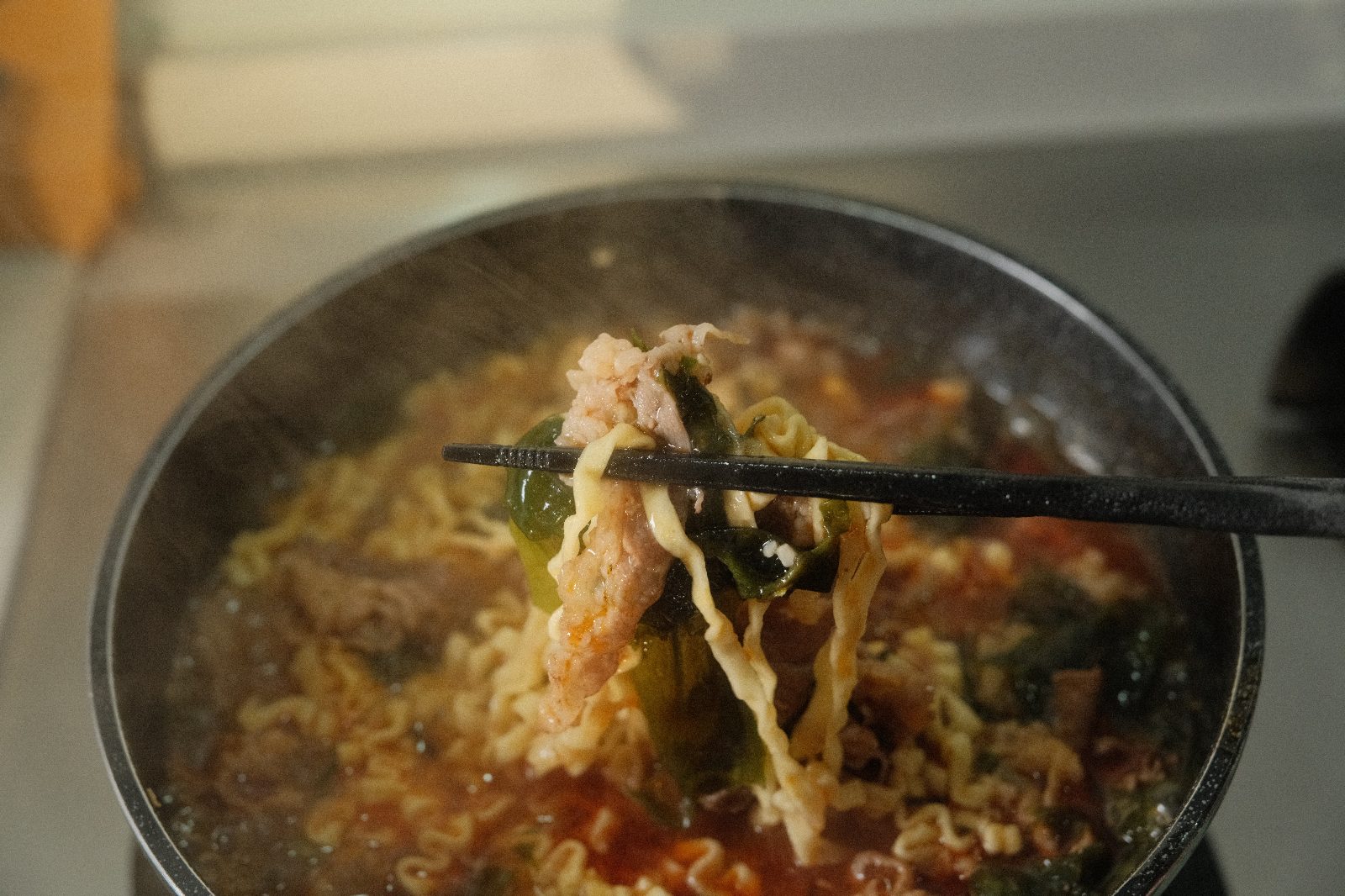
Birthday seaweed soup built from scratch in 15 minutes, then spiked with Buldak for a beefy, briny, spicy bowl.
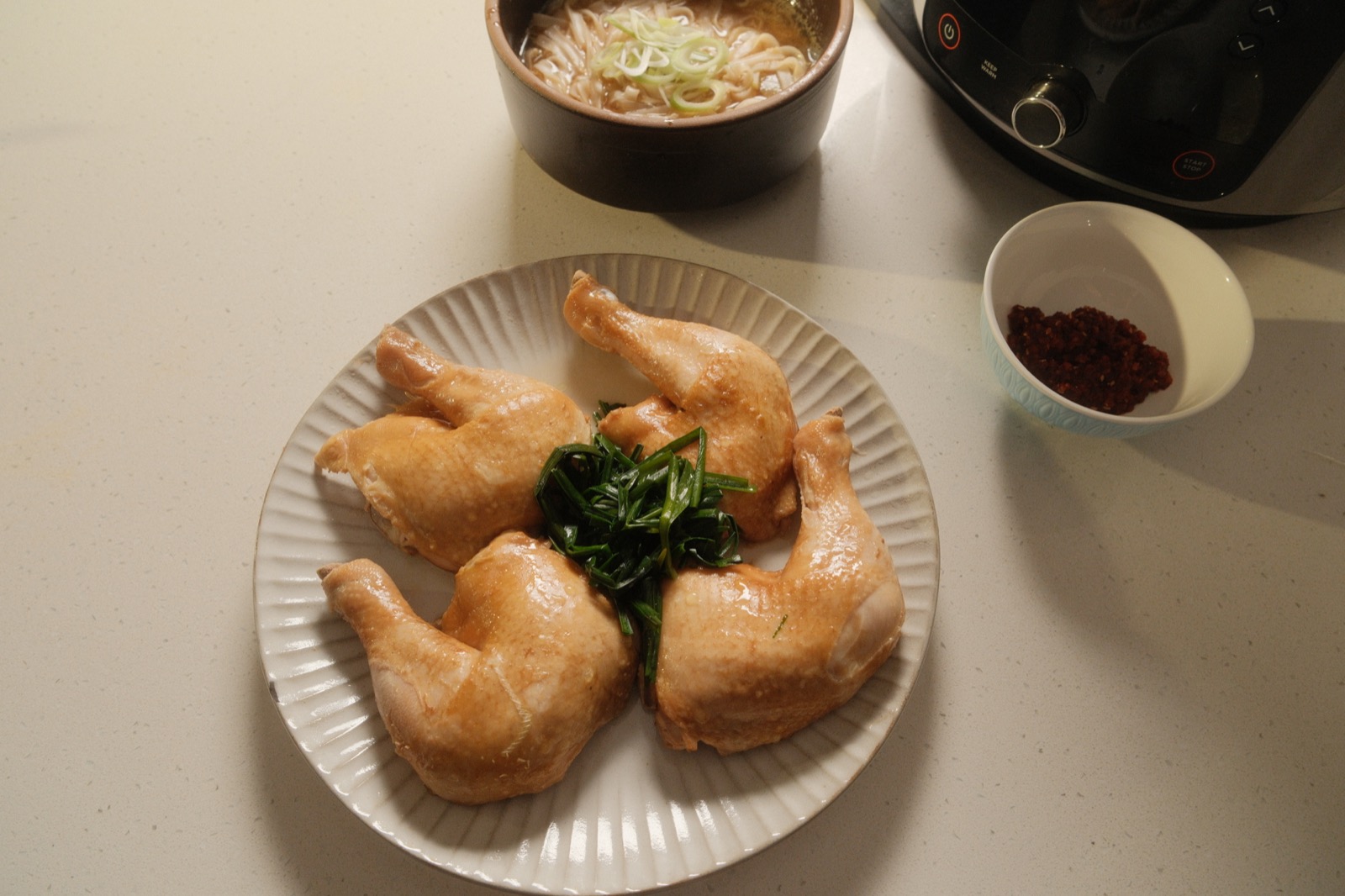
A North Korean steamed chicken recipe that gives you glossy chicken, a clear savoury kalguksu broth, and a full Korean dinner from one pot.
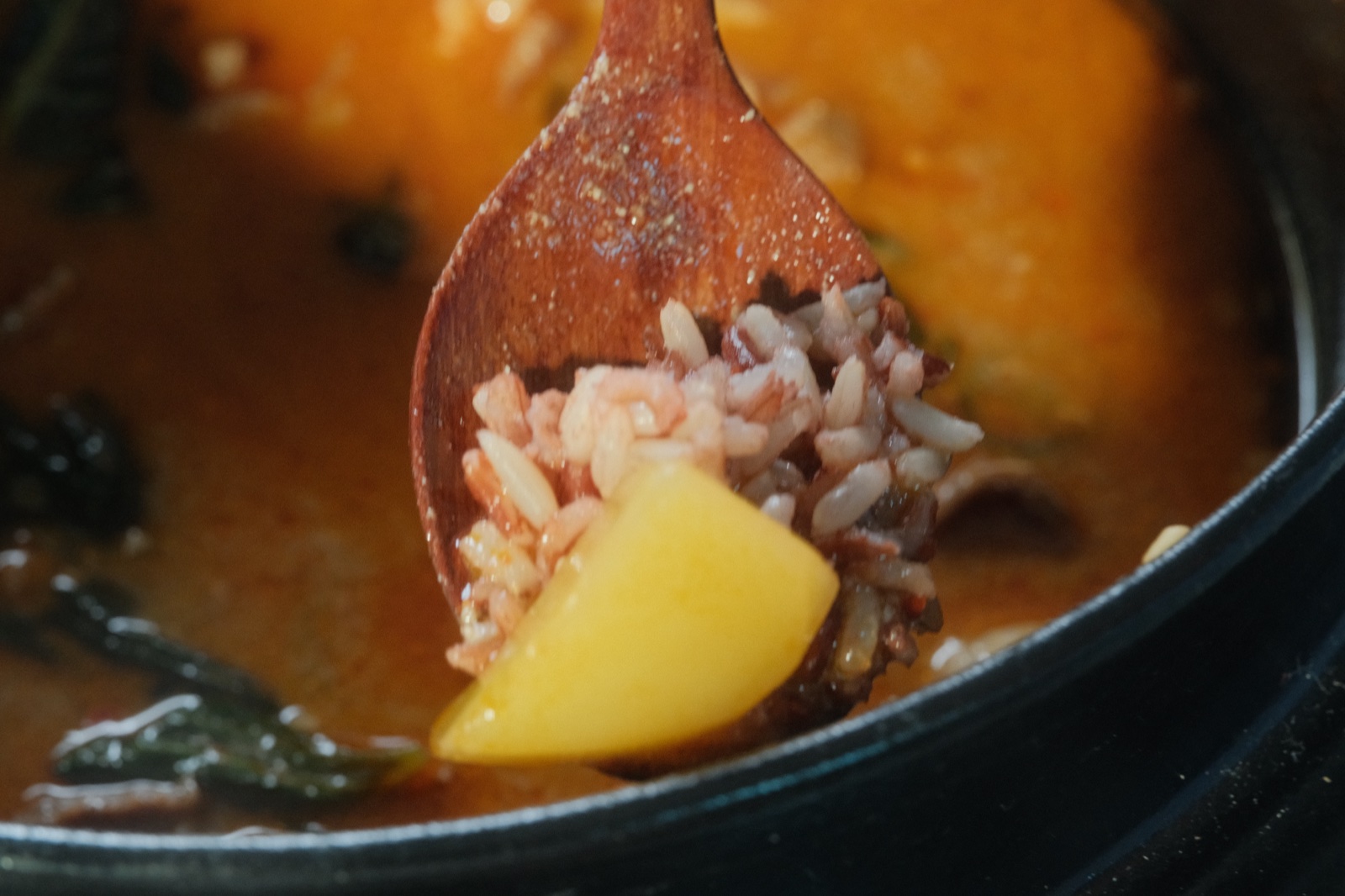
A 15-minute gamjatang shortcut that skips the bones but keeps the deep, nutty, comforting flavour of the original Korean pork bone stew.

Two ingredients, no oven, no eggs. Just Greek yogurt, biscuits, and a night in the fridge. It should not taste like cheesecake, but it kind of does.
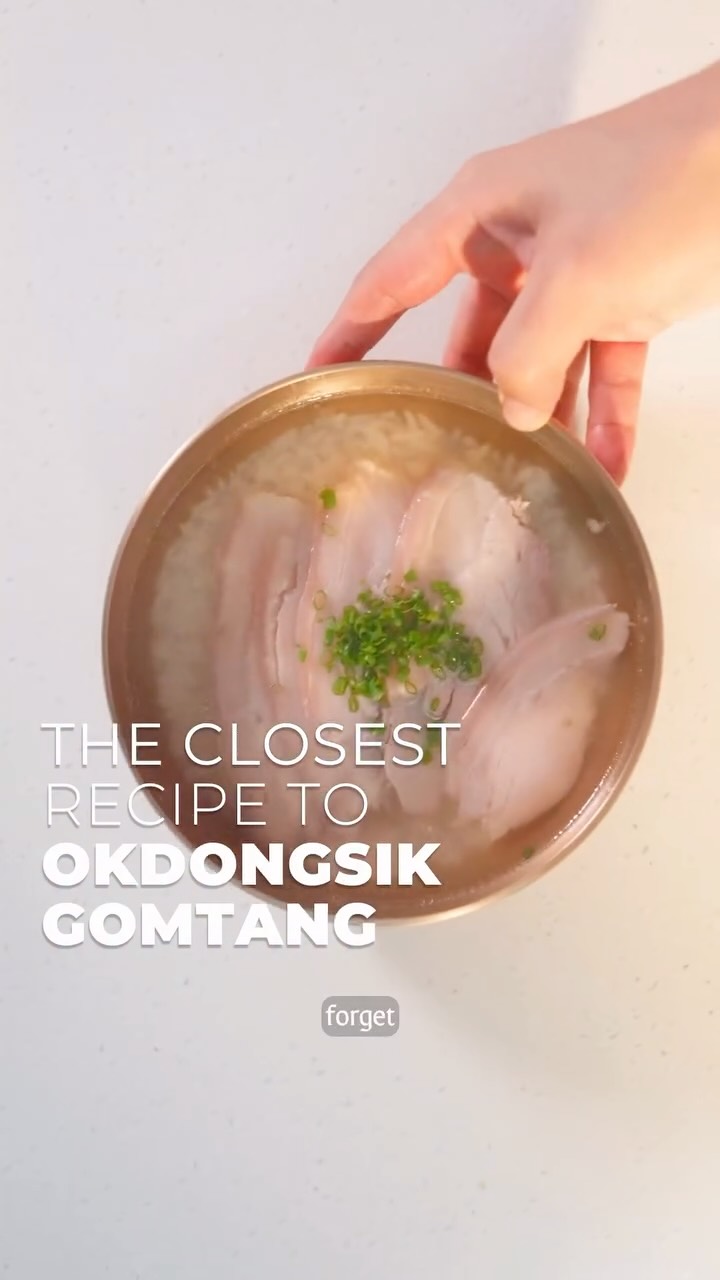
The minimalist Korean pork soup that the New York Times wrote about. Four attempts to crack the recipe, and it was worth every failed batch.
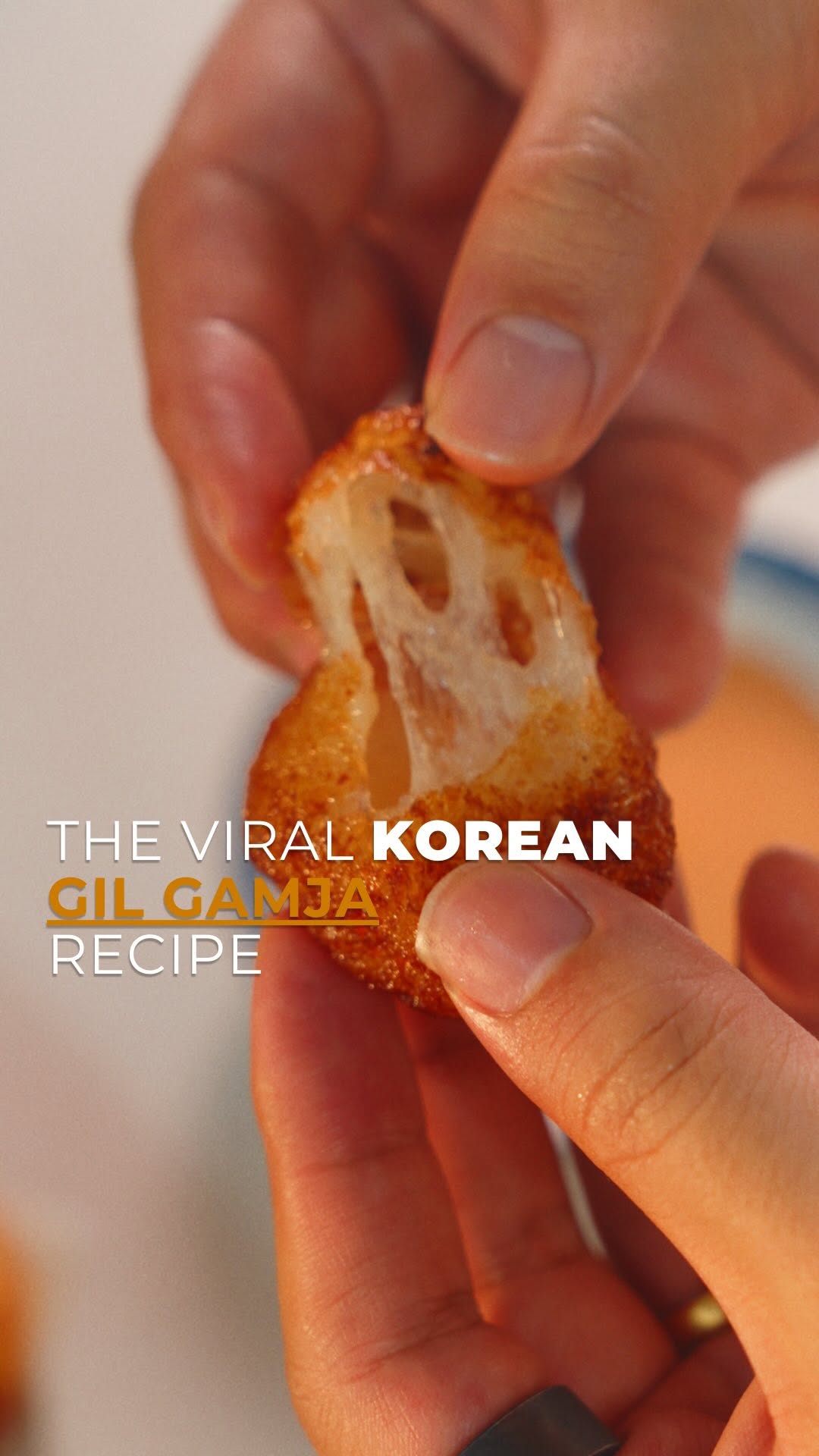
Crispy outside, stretchy-chewy inside. These viral Korean potato fries only need a blender and 30 minutes.
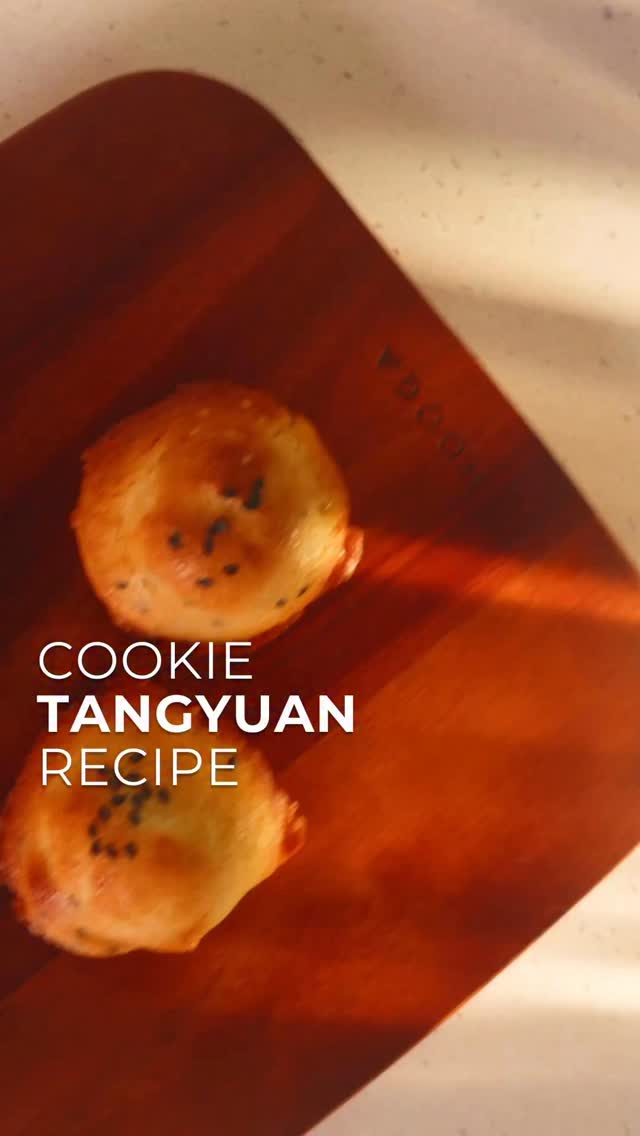
A golden cookie shell with a soft, molten tangyuan hiding inside. Store-bought cookie dough and frozen rice balls make this surprisingly easy to pull off.
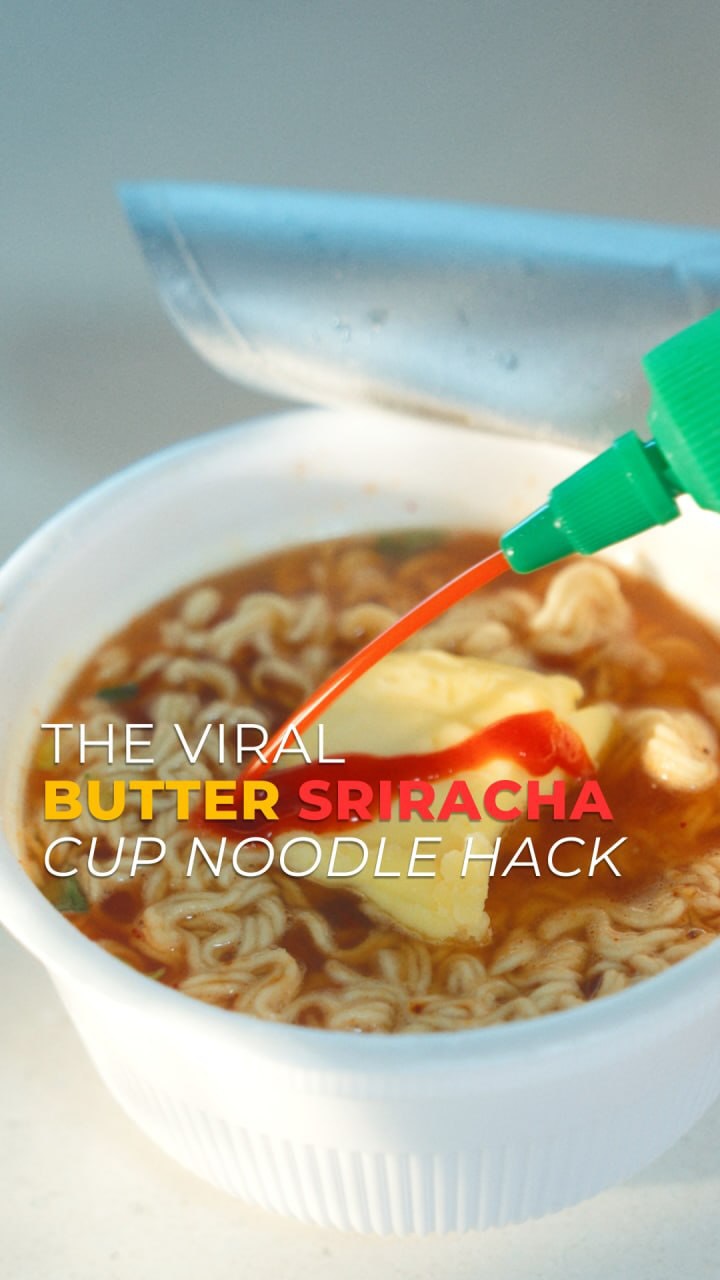
One teaspoon of butter, one teaspoon of sriracha, straight into your Yukgaejang cup noodles. The broth gets richer and the whole thing tastes like an actual meal.
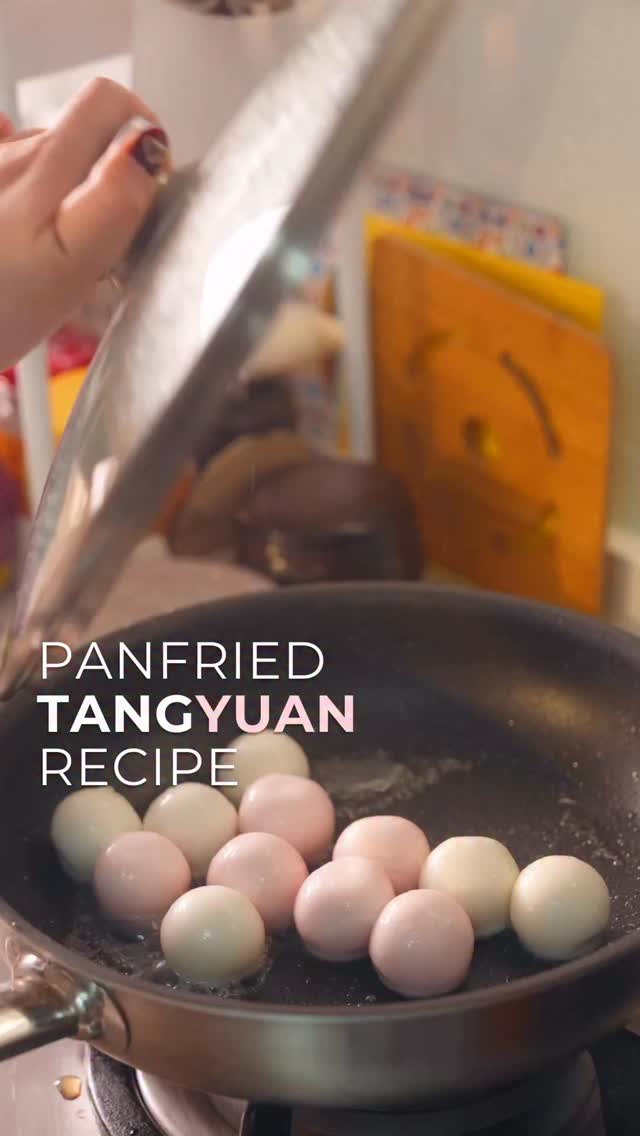
The easiest way to cook tangyuan and probably the most satisfying. Steam them in a covered pan, then let the bottoms go golden and crispy. Three ingredients, done.
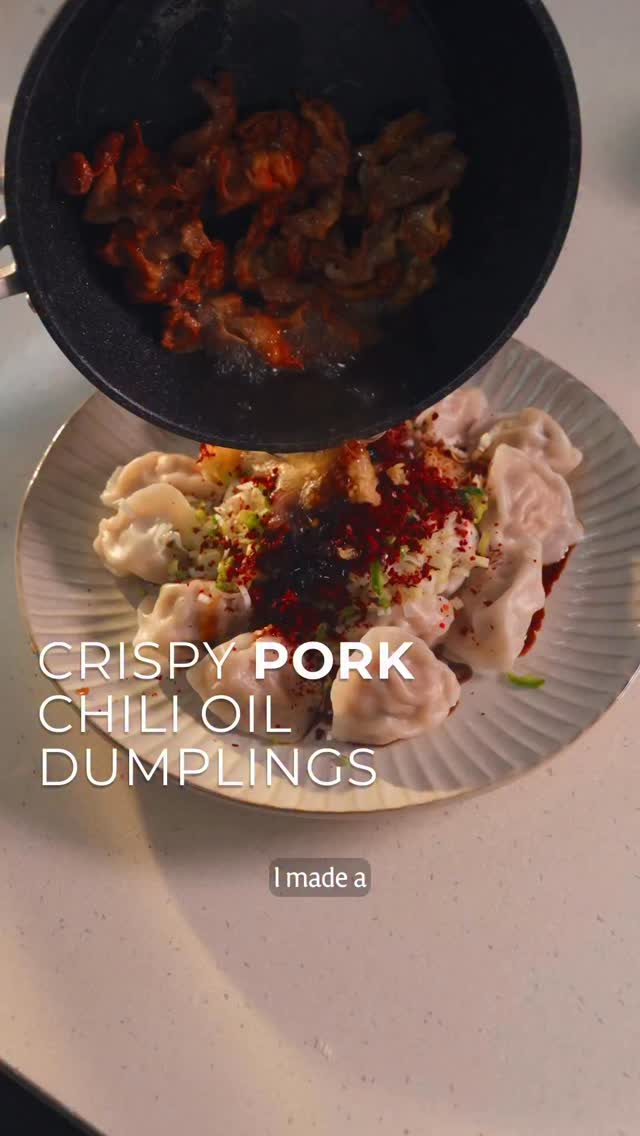
Store-bought dumplings, a quick pork fat chili oil, and crispy fried pork belly strips on top. The kind of dish that starts as a happy accident and stays in your rotation.
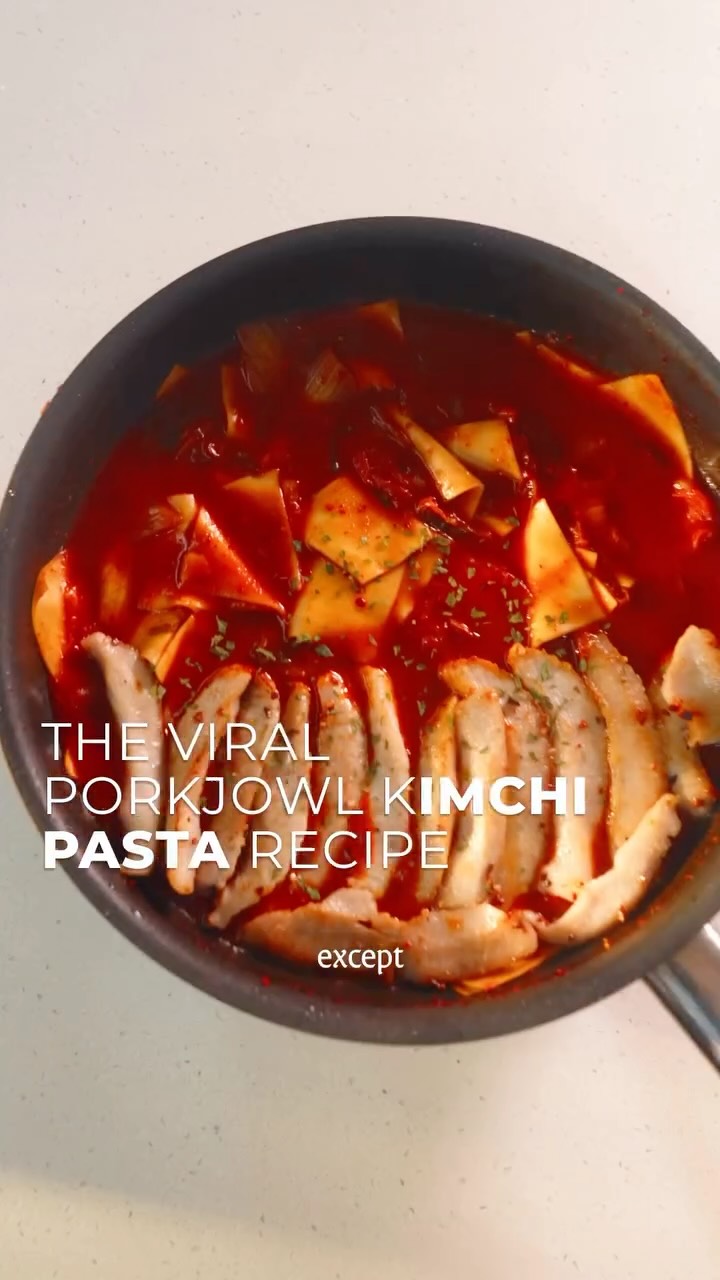
What happens when aged kimchi, rendered pork jowl fat, and tomato paste become a pasta sauce. This is not fusion for the sake of it. It genuinely works.

The viral butter rice cake: crispy shell, impossibly chewy inside. Seven ingredients, 20 minutes in an air fryer.
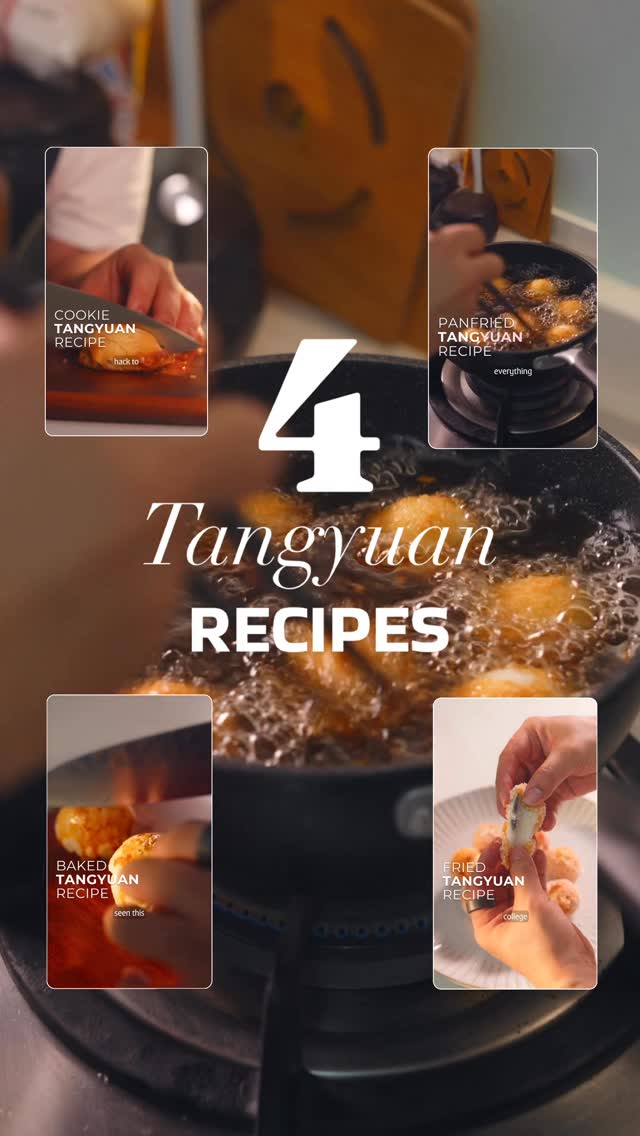
Four ways to cook tangyuan that have nothing to do with sweet soup. Baked in pastry, deep-fried in panko, crisped in a pan, or hidden inside a cookie, pick your favourite.
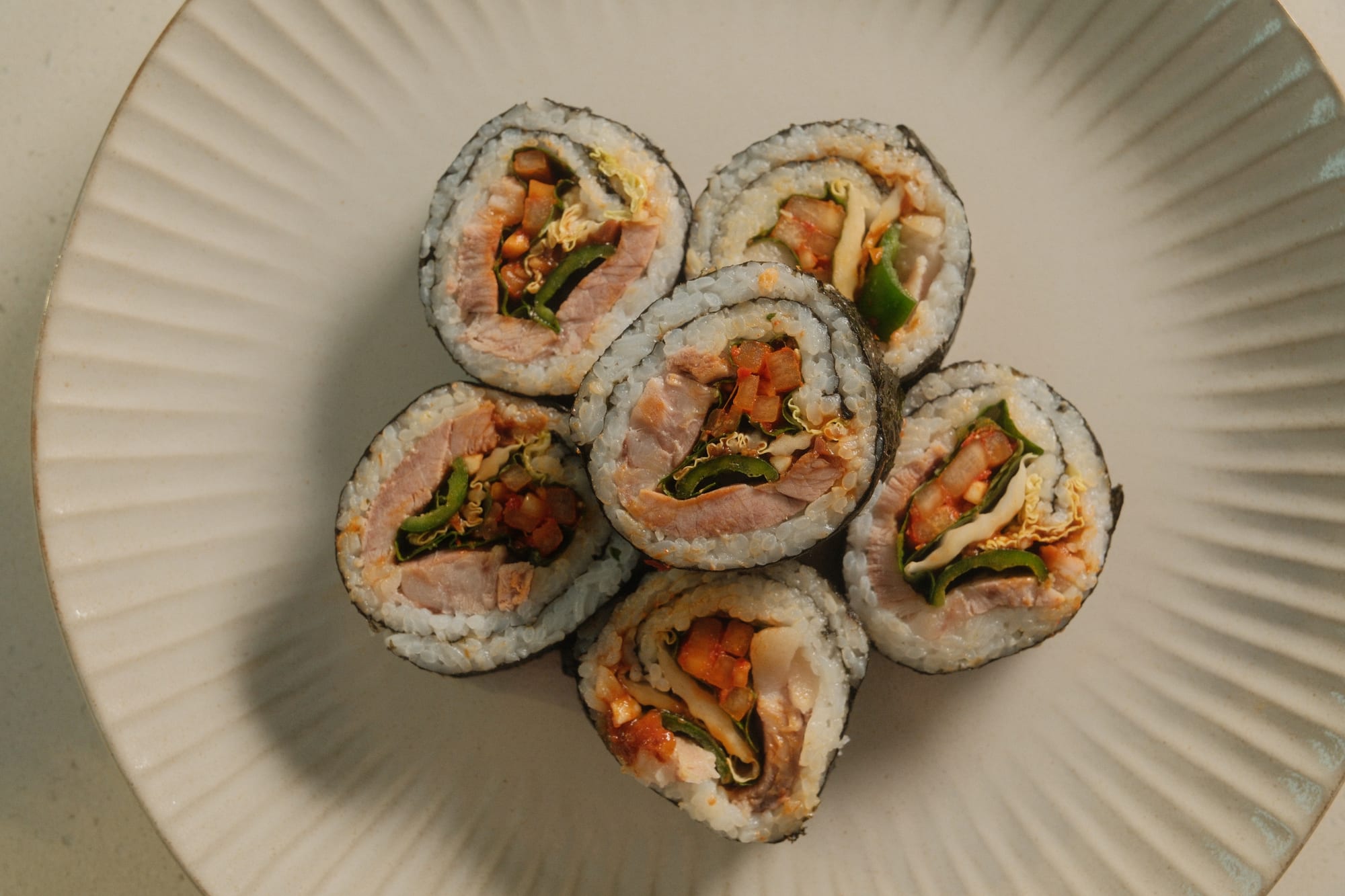
Doenjang-braised pork and spicy radish rolled into oversized gimbap. A project, but the payoff is enormous.
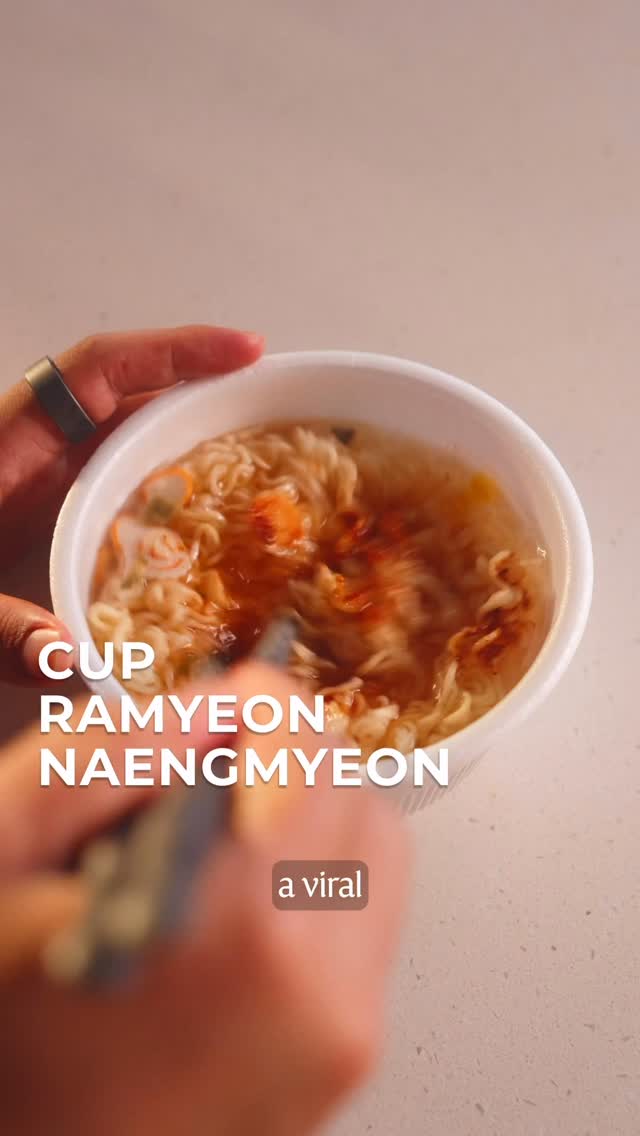
Cook Yukgaejang cup noodles, chill them under cold water, and drop them into naengmyeon broth with the original spice packet. Refreshing, fiery, and absurdly easy.
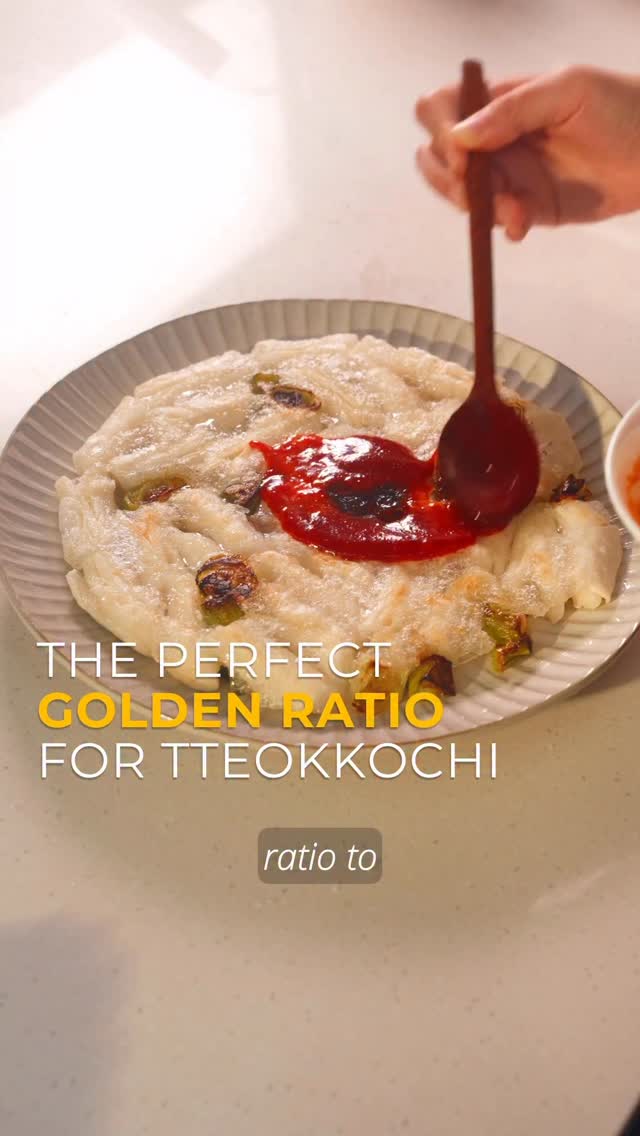
Rice cakes crisped into a golden pancake, topped with the legendary 4-3-3-2 tteokbokki sauce.
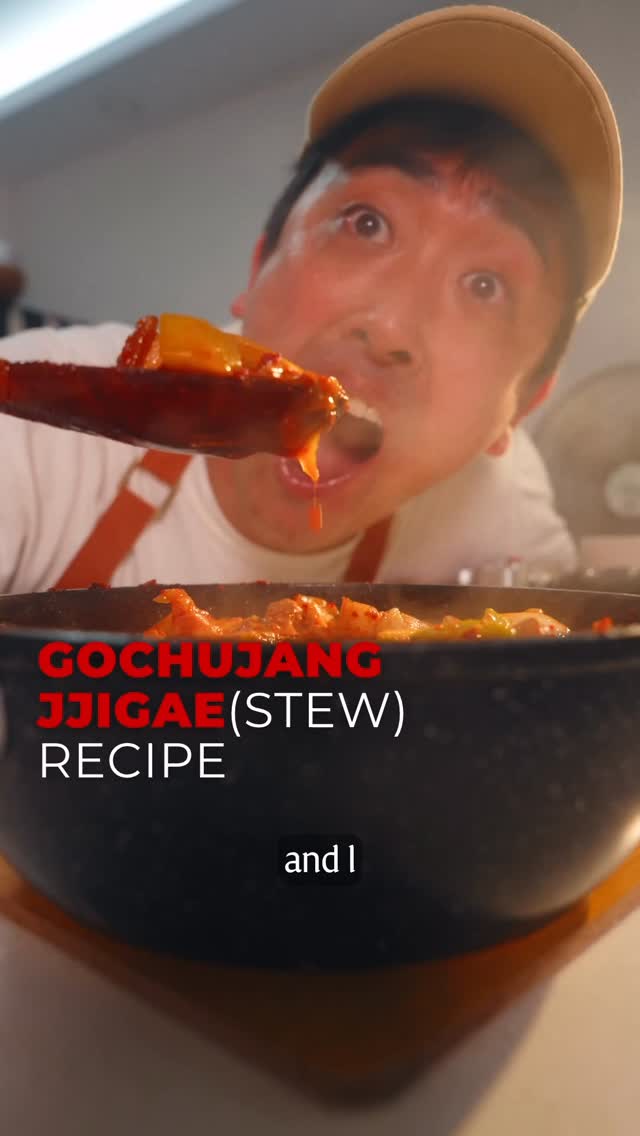
Pork belly, potatoes, and that slow-building gochujang heat all in one pot. Cook the gochugaru in oil first and the broth goes somewhere special.

Traditional Korean seaweed chips that puff up like magic when fried. Rice paper, dried seaweed, seconds in oil.
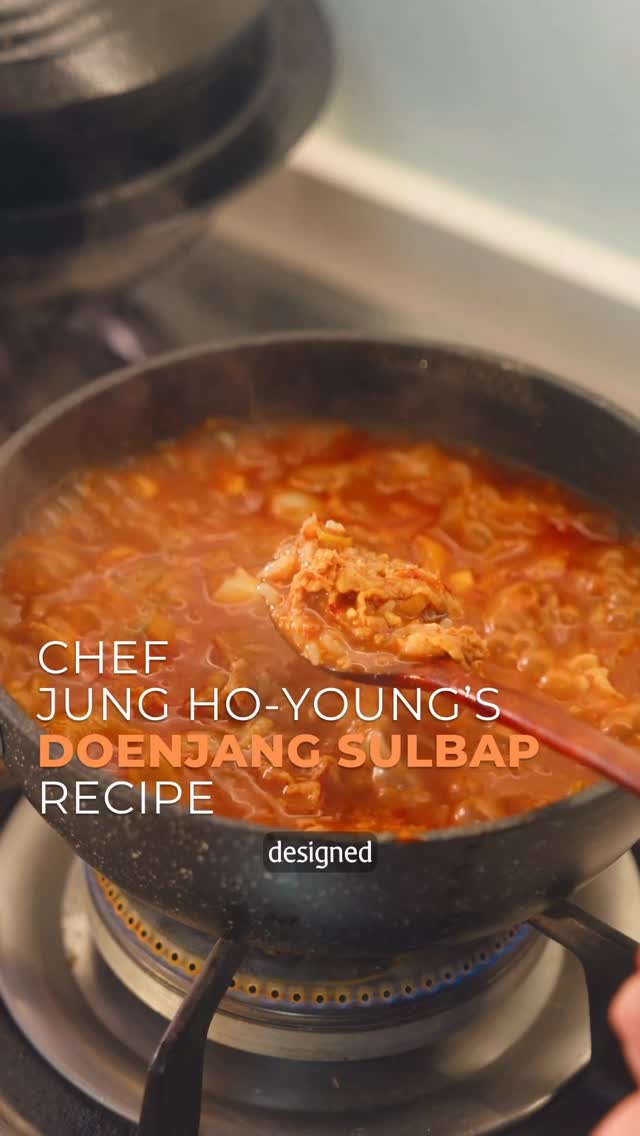
A rich soybean paste stew you mix straight into rice. Render the pork fat first and it tastes like it cooked all day.
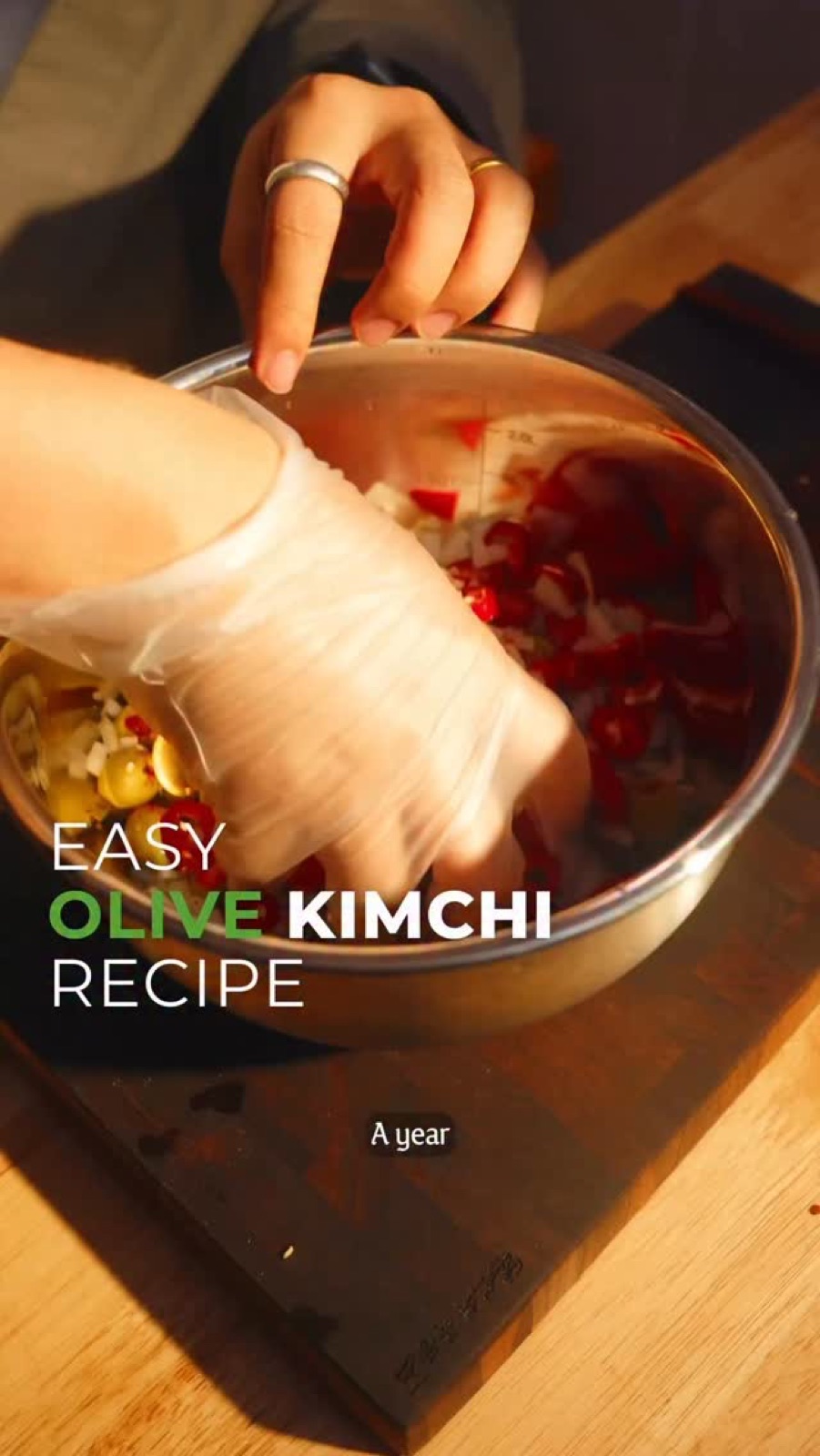
Briny olives tossed with gochugaru, sesame oil, garlic and tuna sauce for a fast, spicy Korean side dish.
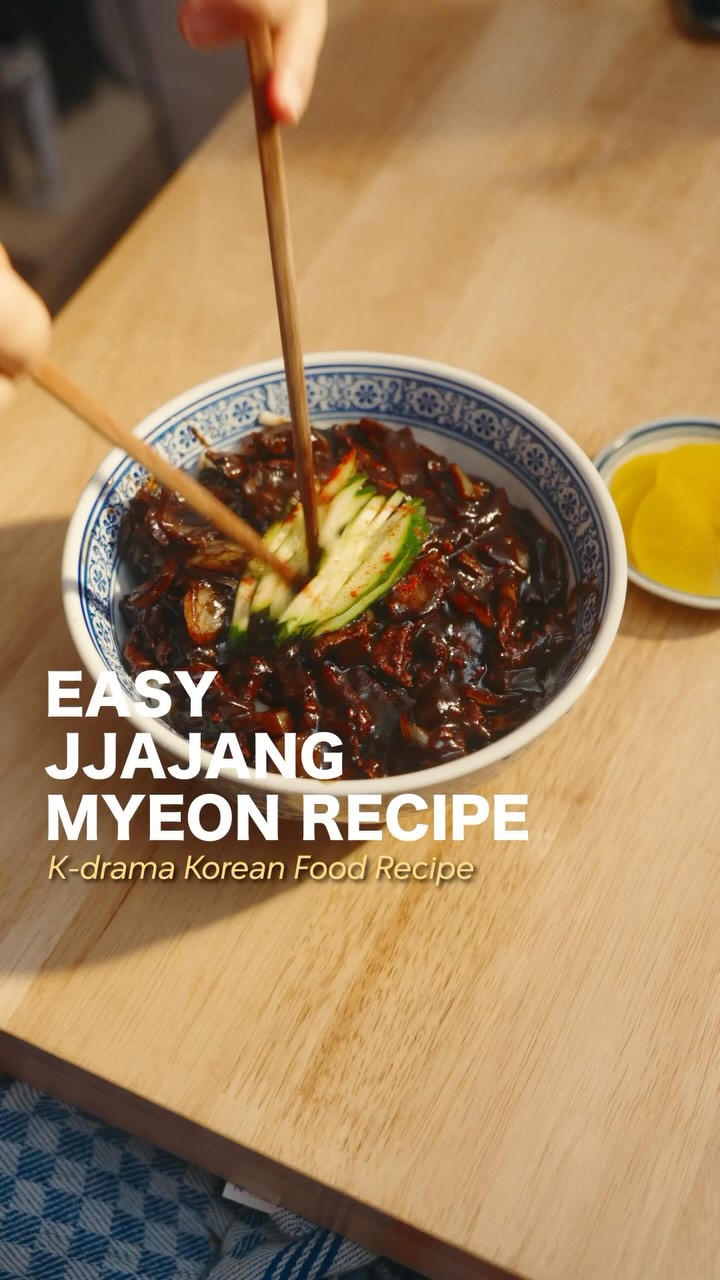
The bowl every K-drama makes look irresistible. Rich black bean sauce with tender pork and vegetables over thick noodles, made at home in under 40 minutes.
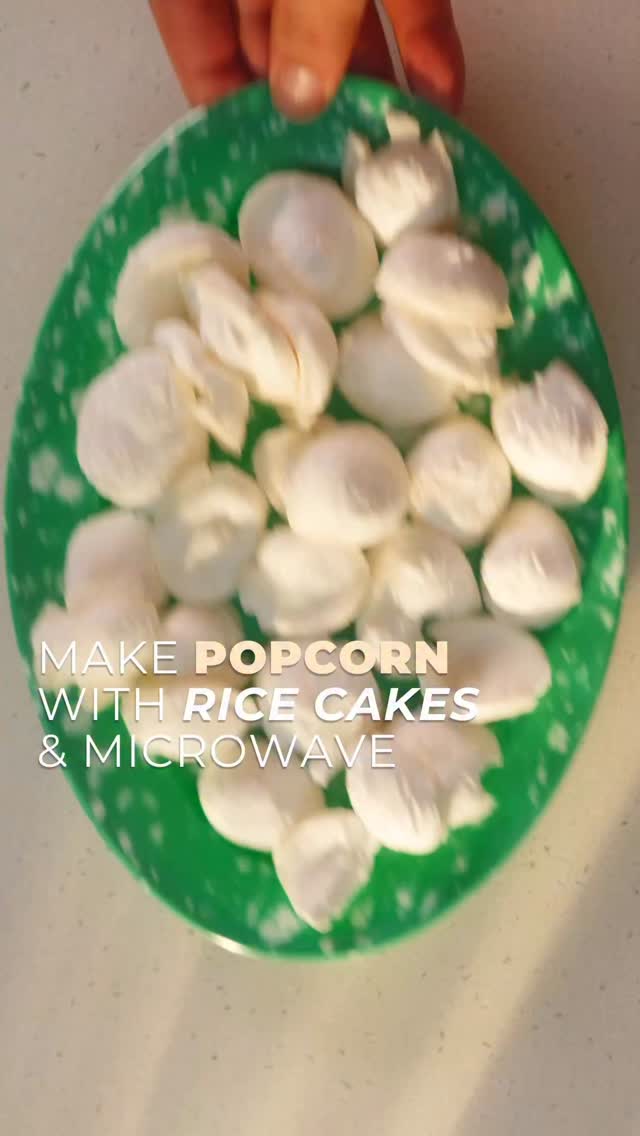
Leftover tteokbokki rice cakes, dehydrated and microwaved for 30 seconds, puff up into addictive popcorn.
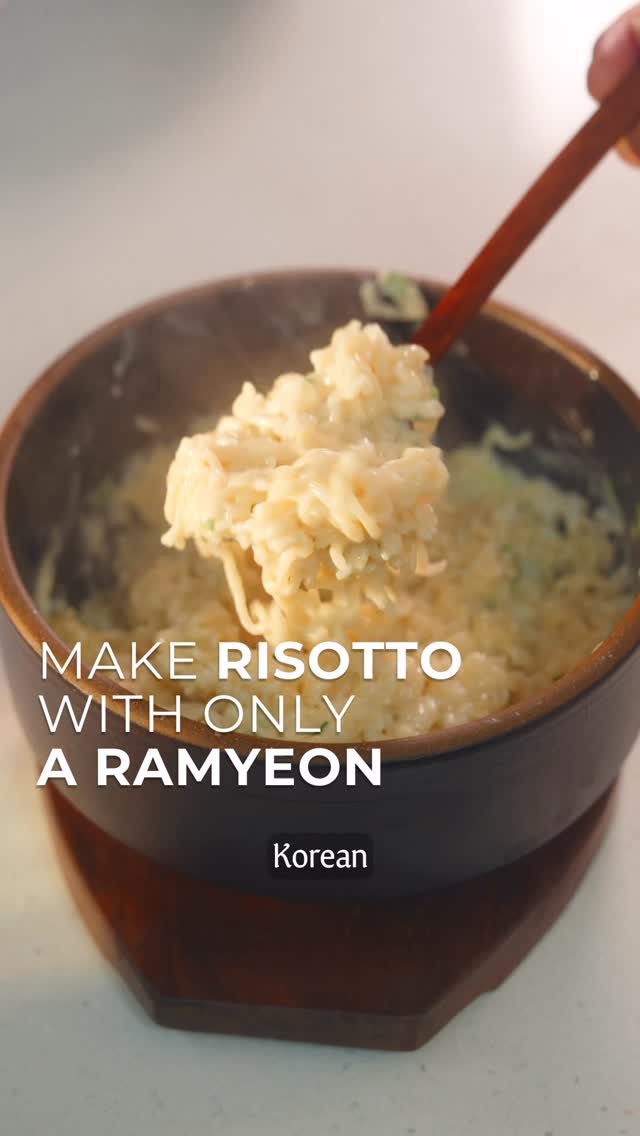
Instant ramyeon cooked in milk with leftover rice and Parmesan. One pot, ten minutes, and a result that tastes way more impressive than it has any right to.
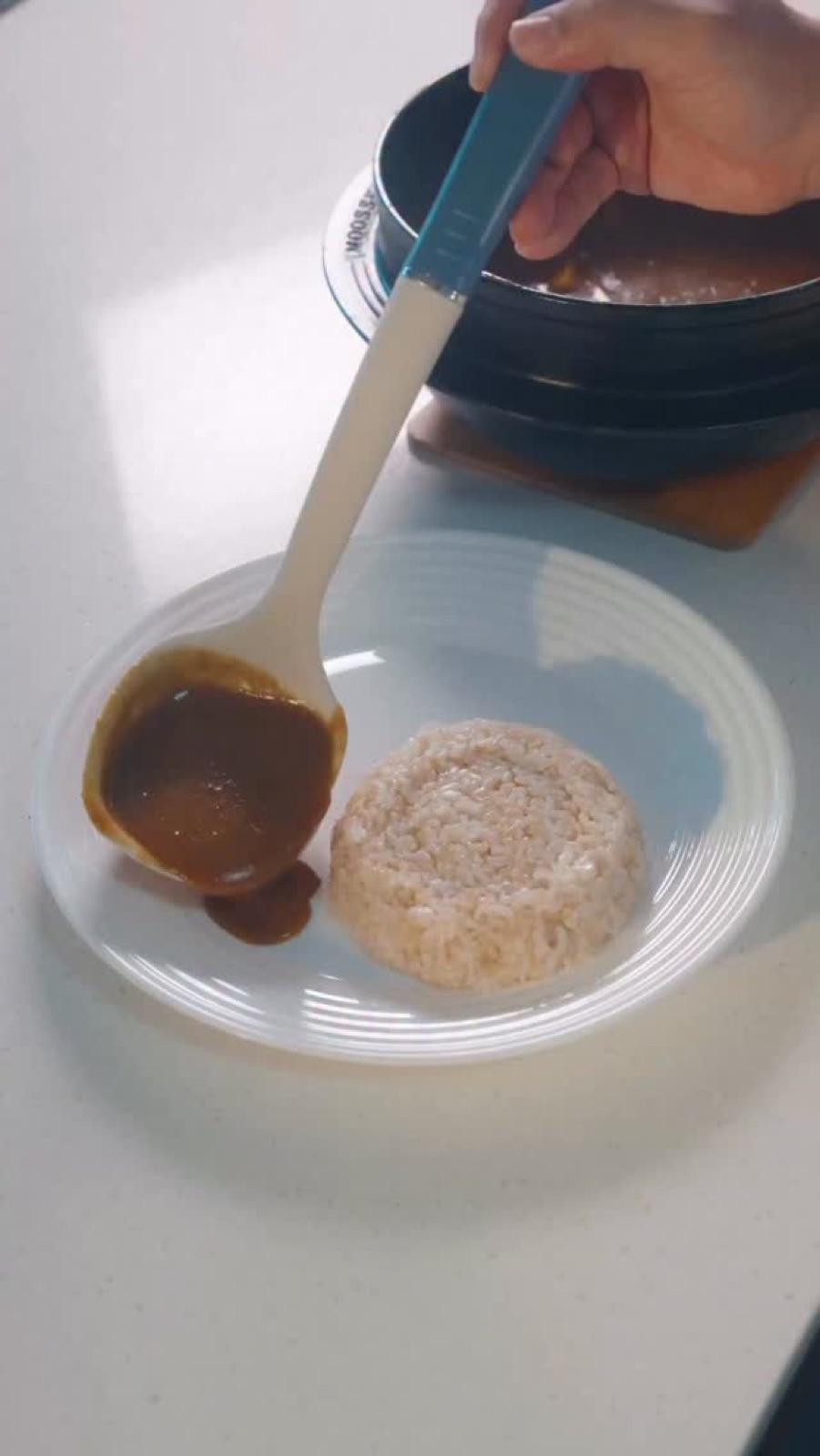
Leftover suyuk vegetables become a smooth base for a rich Japanese-style curry with potatoes, eggs and optional pork.
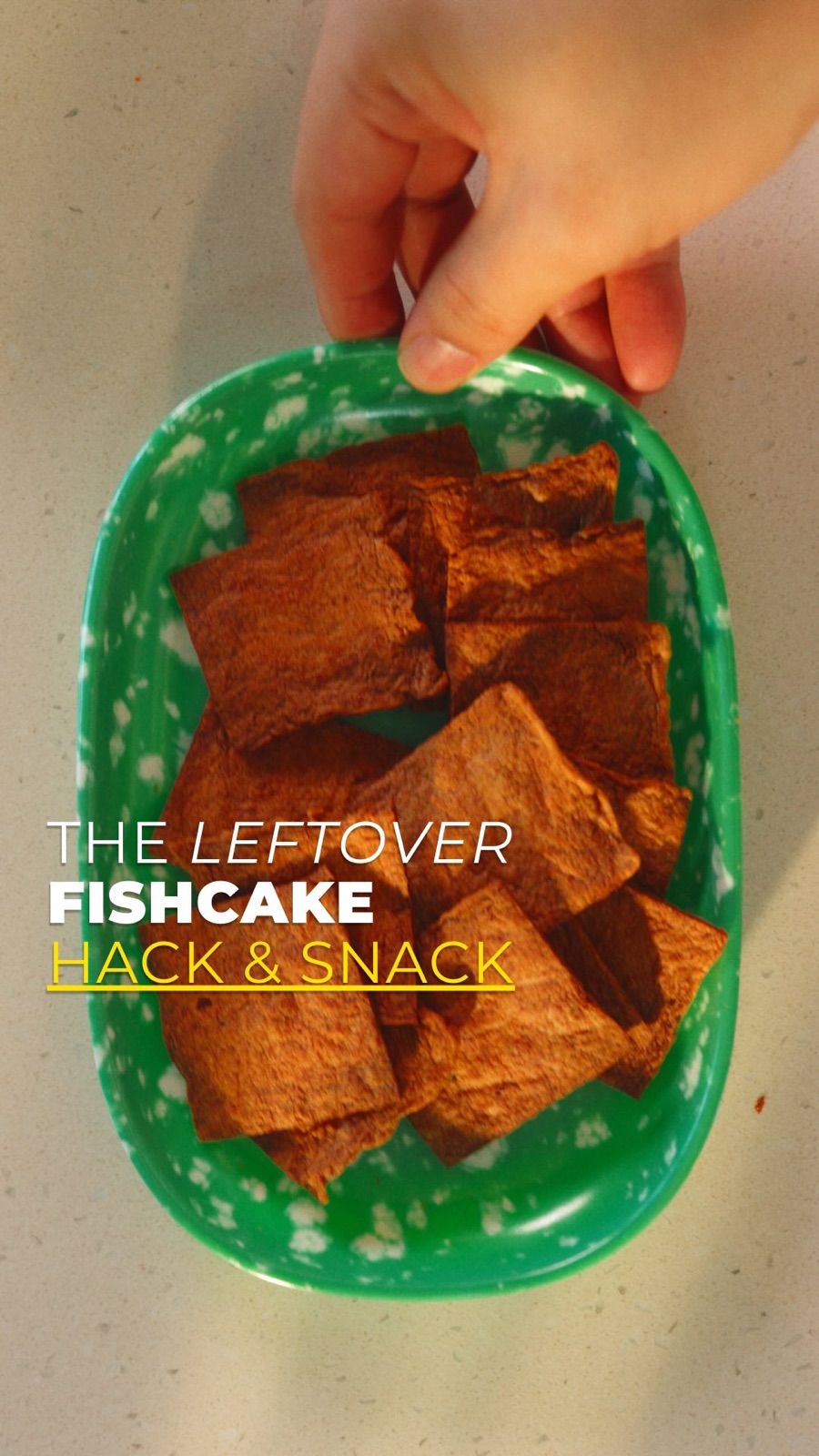
Leftover fish cakes turn dry and golden in the air fryer, with a creamy soy and black pepper dip on the side.
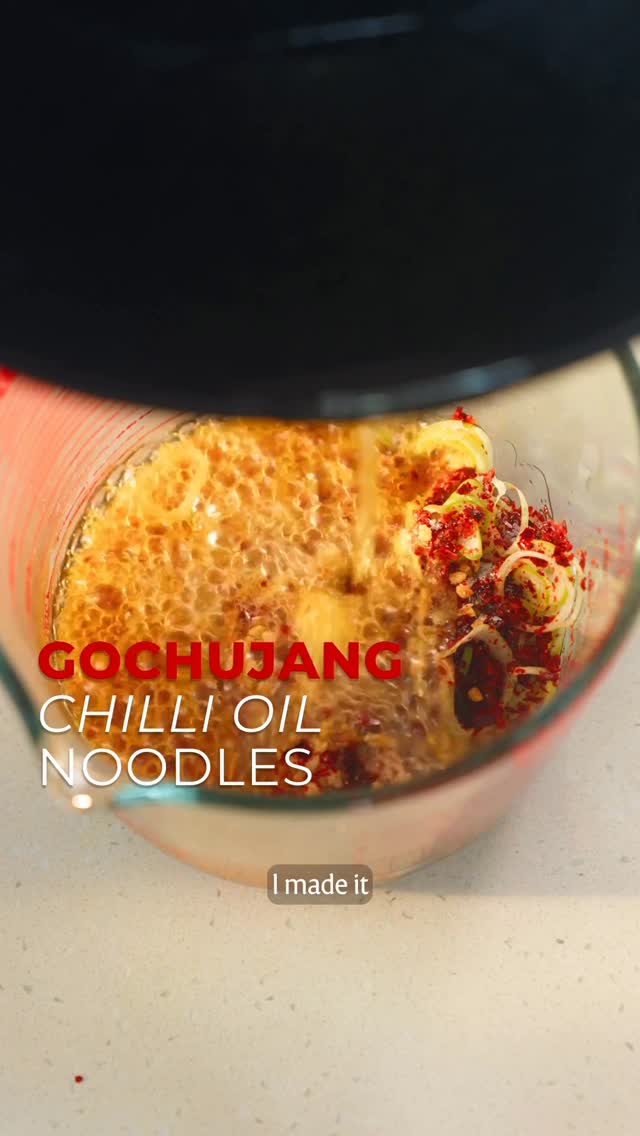
Hot Sichuan peppercorn oil poured over a gochujang-black vinegar sauce, tossed with chewy noodles. The sizzle when the oil hits the bowl is half the experience.
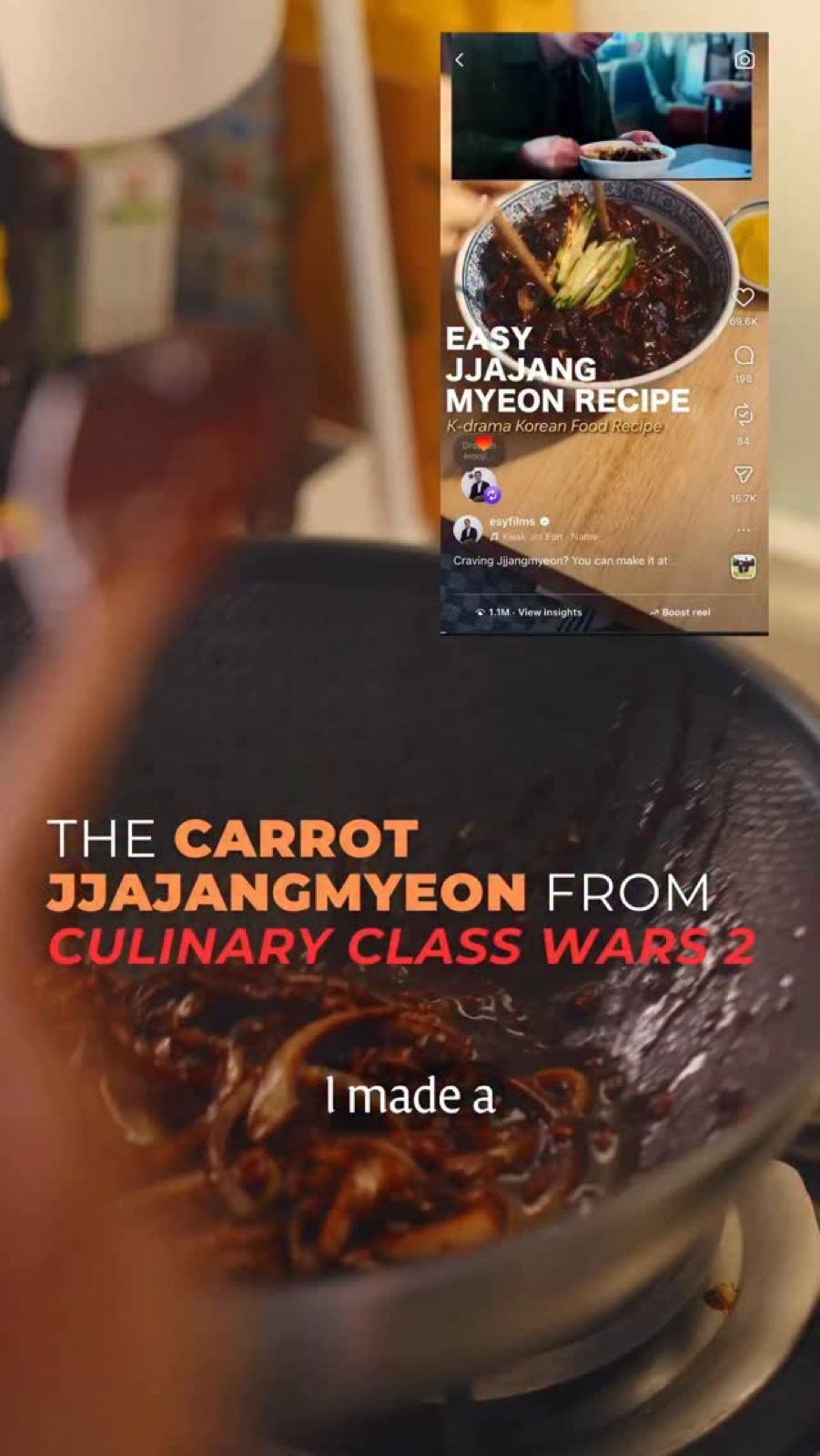
Paper-thin steamed carrots carry a glossy pork and chunjang sauce in a lighter take on jjajangmyeon.

A sticky chocolate marshmallow roll wrapped around pistachio, white chocolate and toasted kunafa.
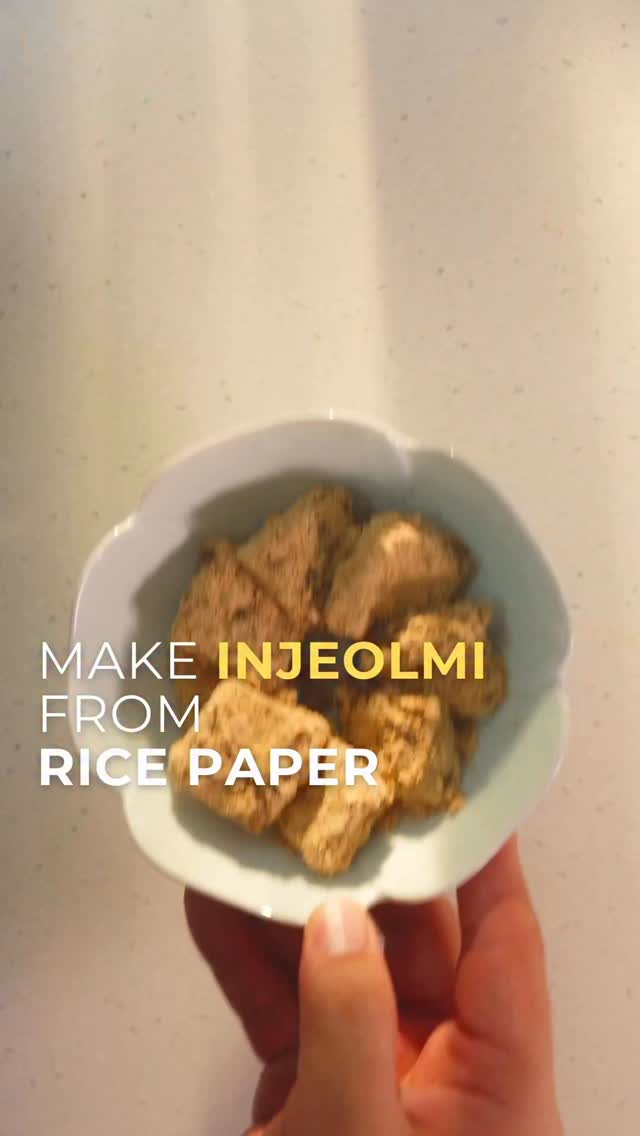
Rice paper, condensed milk, soybean powder. No steaming, no pounding. Tastes remarkably close to real injeolmi.
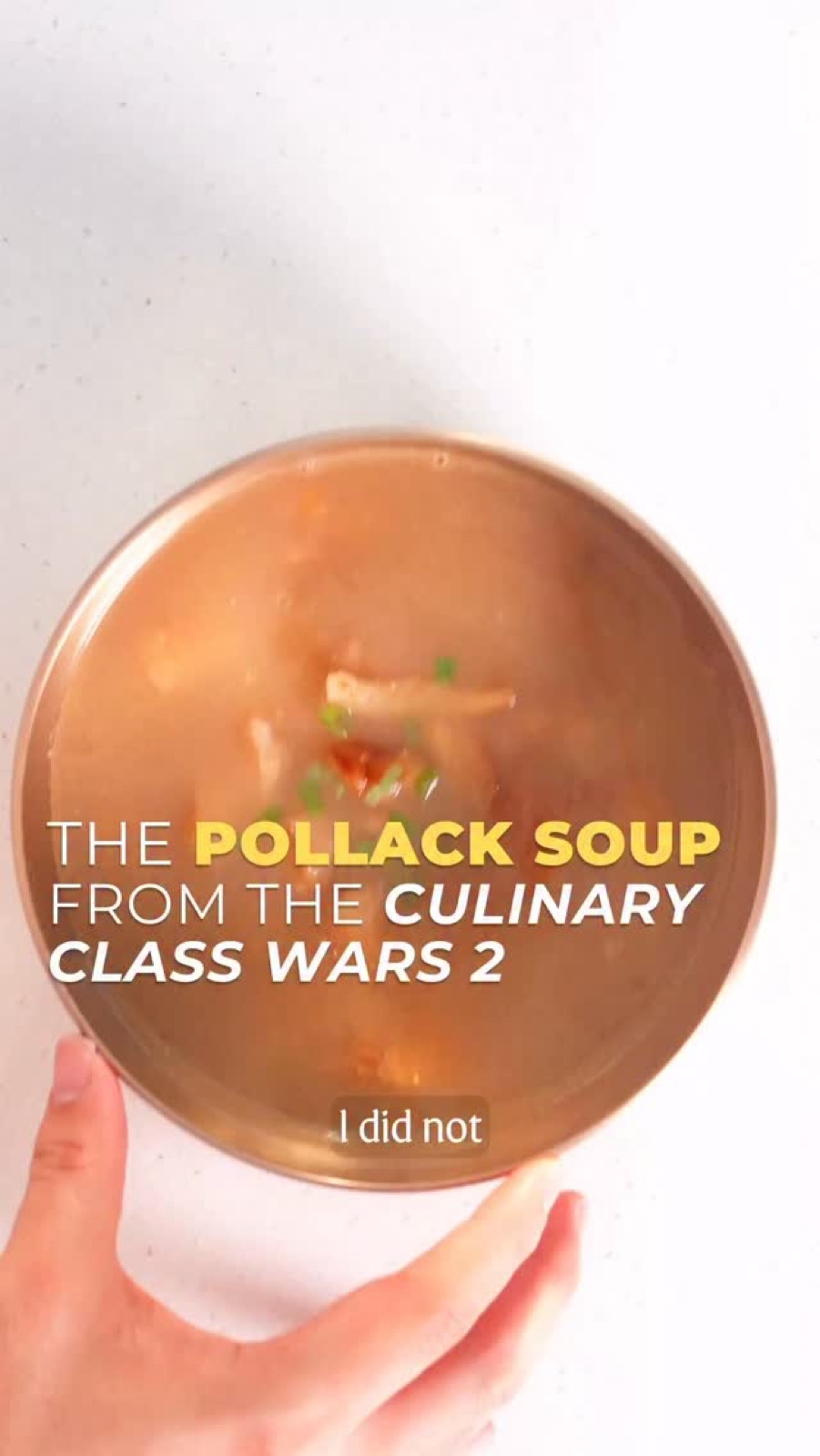
Dried pollack, potatoes and rice water become a cloudy Korean hangover soup with surprising depth.
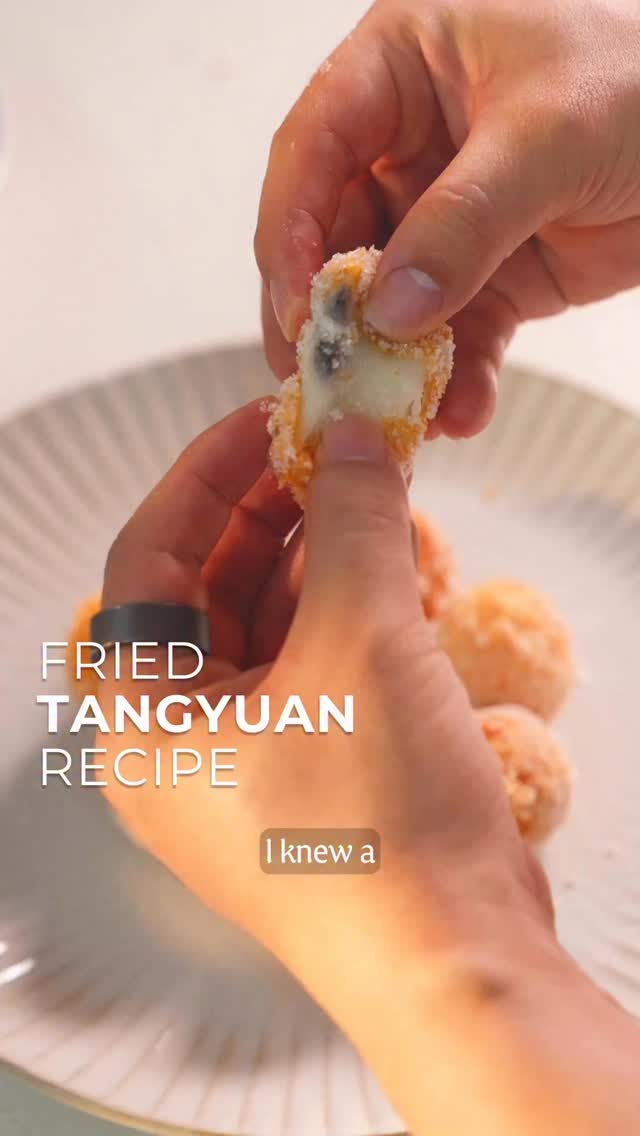
Boiled tangyuan coated in panko and deep fried until shatteringly crispy. The black sesame filling turns molten inside. Roll them in sugar while warm and eat immediately.
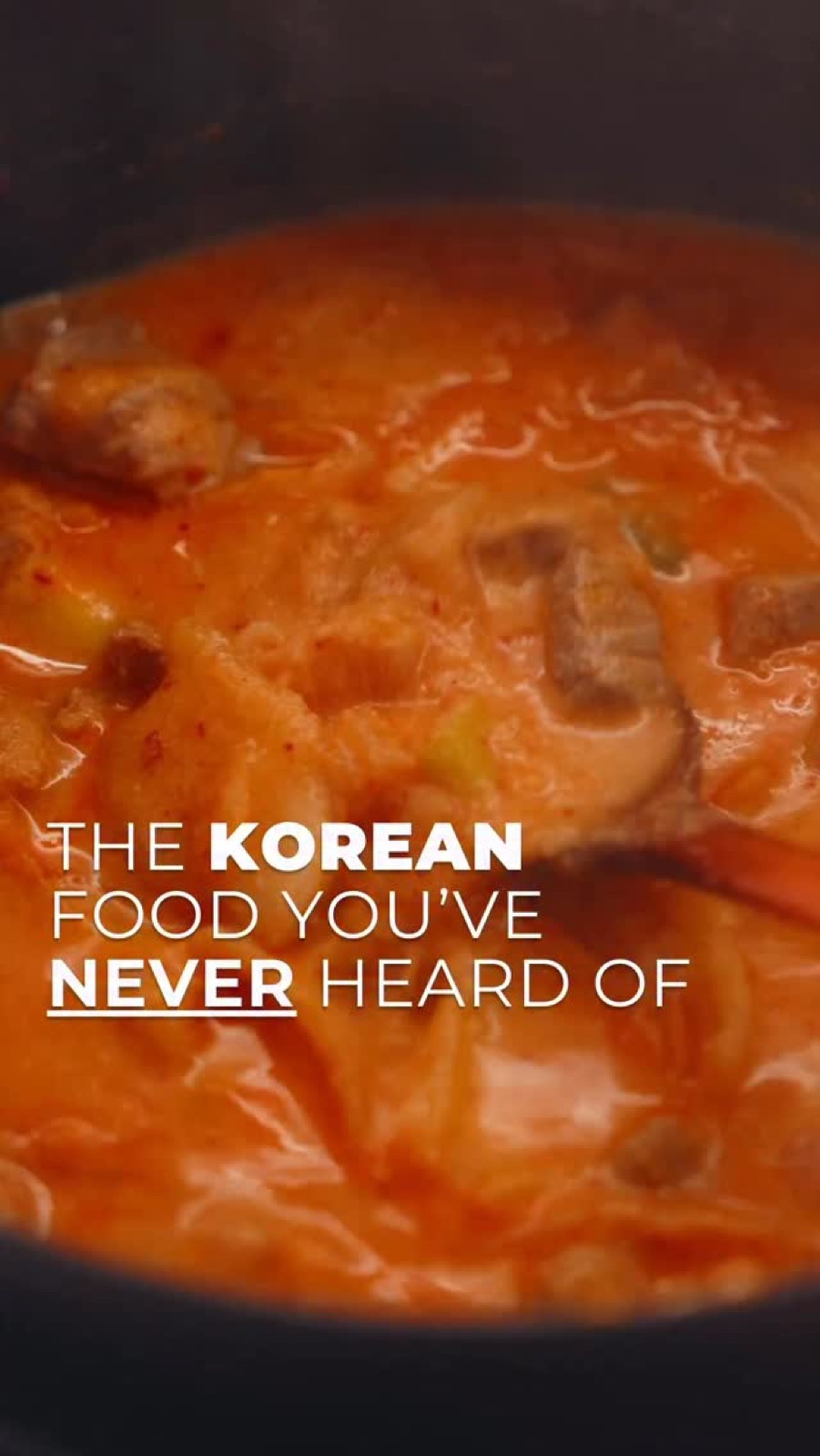
Soybean pulp, pork and ripe kimchi become a thick, nutty Korean comfort stew.
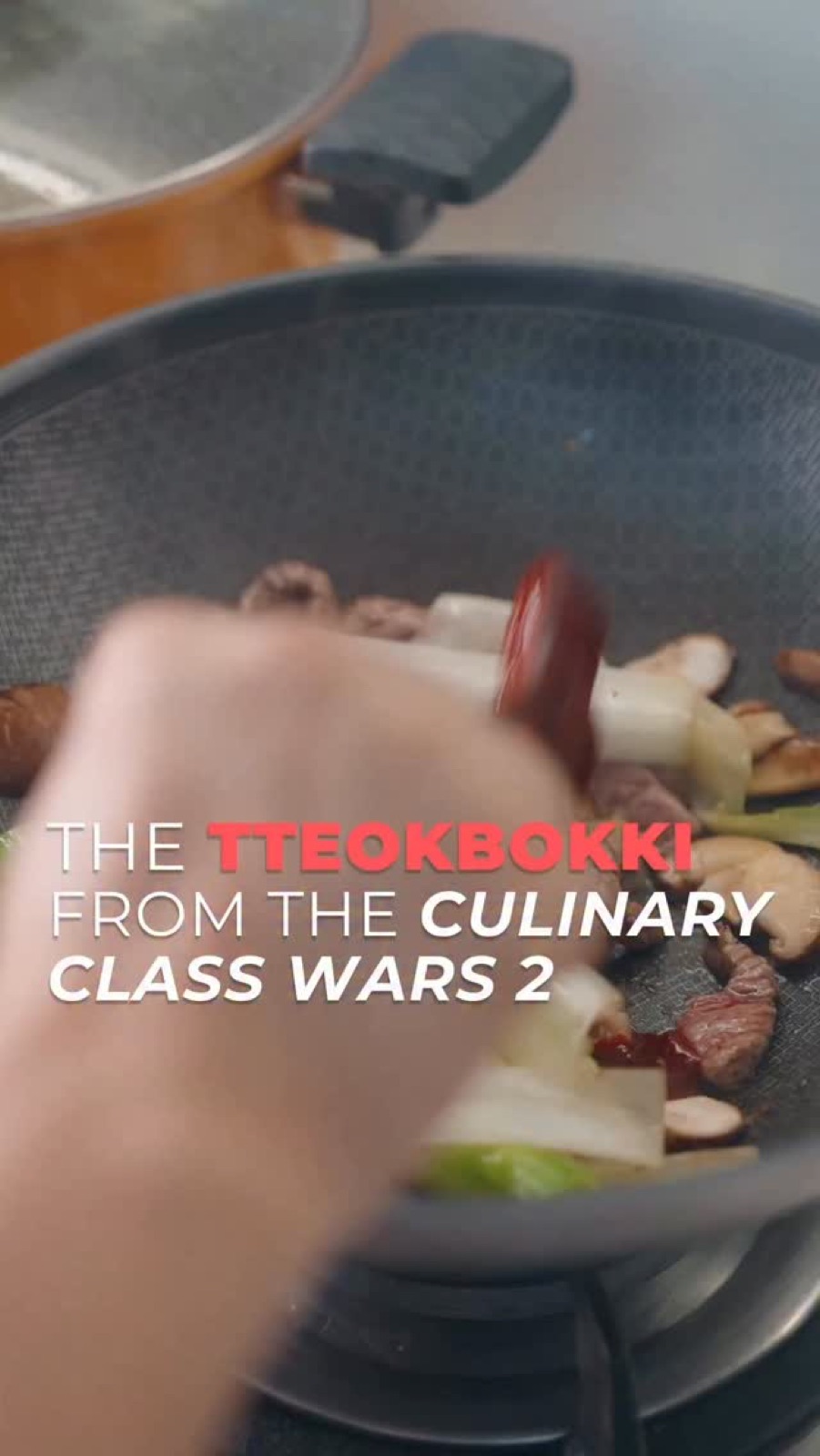
Beef, shiitake mushrooms and anchovy-kelp stock turn tteokbokki into a deep, savoury meal.

Mini red radishes bring a clean crunch to a bold kimchi paste with anchovy stock, pear and gochugaru.
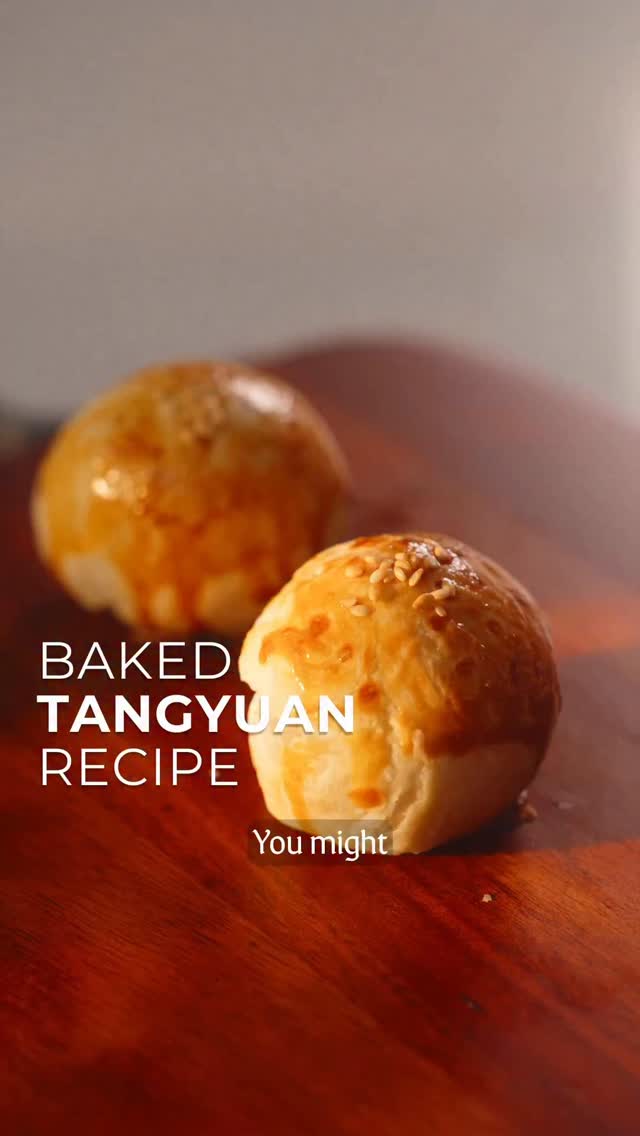
Frozen tangyuan wrapped in puff pastry and baked until golden. The filling goes completely molten inside while the shell flakes apart. Twelve minutes, total wow factor.
A spicy-sweet sauce for fresh kimchi, vegetable sides, salads and bibim noodles.
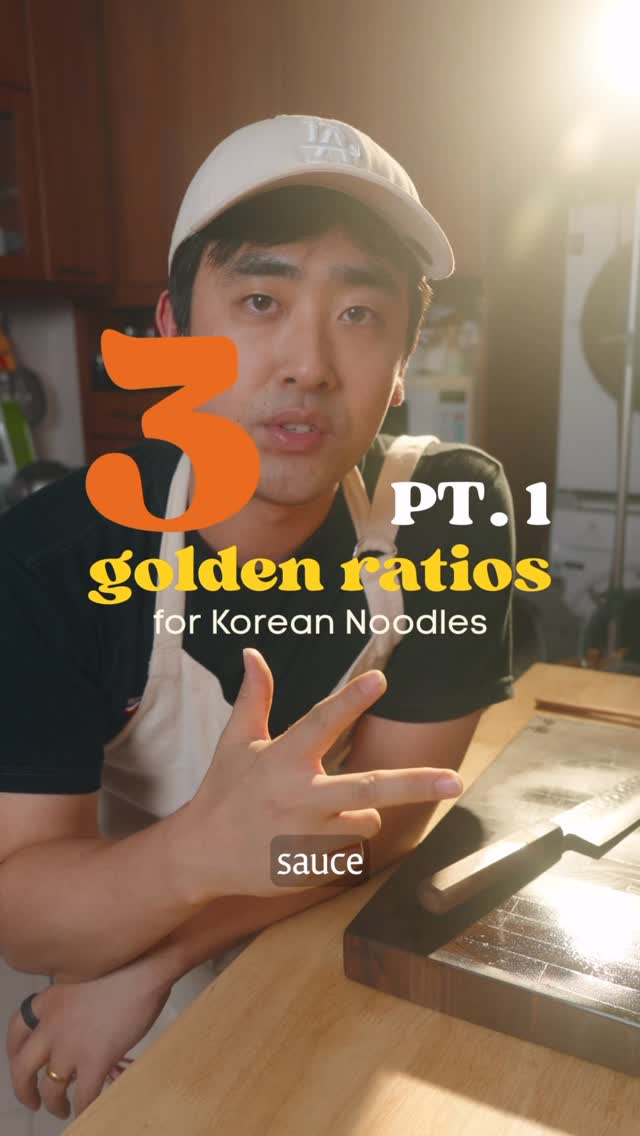
Three sauce formulas that changed my noodle game forever. No measuring cups needed, just remember the numbers.
Fine rounds for garnish, diagonal for stews, shredded for banchan, whole whites for stock. One vegetable, four jobs.
Pot-boiled, pressure-cooked, or steamed dry over vegetables. Same pork belly, three textures, one great table.
Five minutes of prep, one pot of cold water. The base broth under your jjigae, guk and noodle soup.
Rinse, rest, ratio, steam. Glossy short-grain rice on the stove, no special equipment.
Boil, shock, squeeze, season. The move that turns a bag of greens into a side dish.
One ratio, endless dishes. Four gochujang, three soy, three sugar, two water, then riff.
Crunchy, bright, no fermentation jar. Kimchi for tonight, not next month.
Rice cake fights the knife. A little water, a little patience, clean slices every time.
Two seeds that make everything taste more Korean. Toast low, grind coarse, store cold.
Fermented soybean paste is a whole stew waiting. How to build doenjang jjigae from the jar.
One ratio, endless tteokbokki. Four parts gochujang to three parts soy to three parts sugar to two parts water, then riff from there.
Shop these in the Pantry →