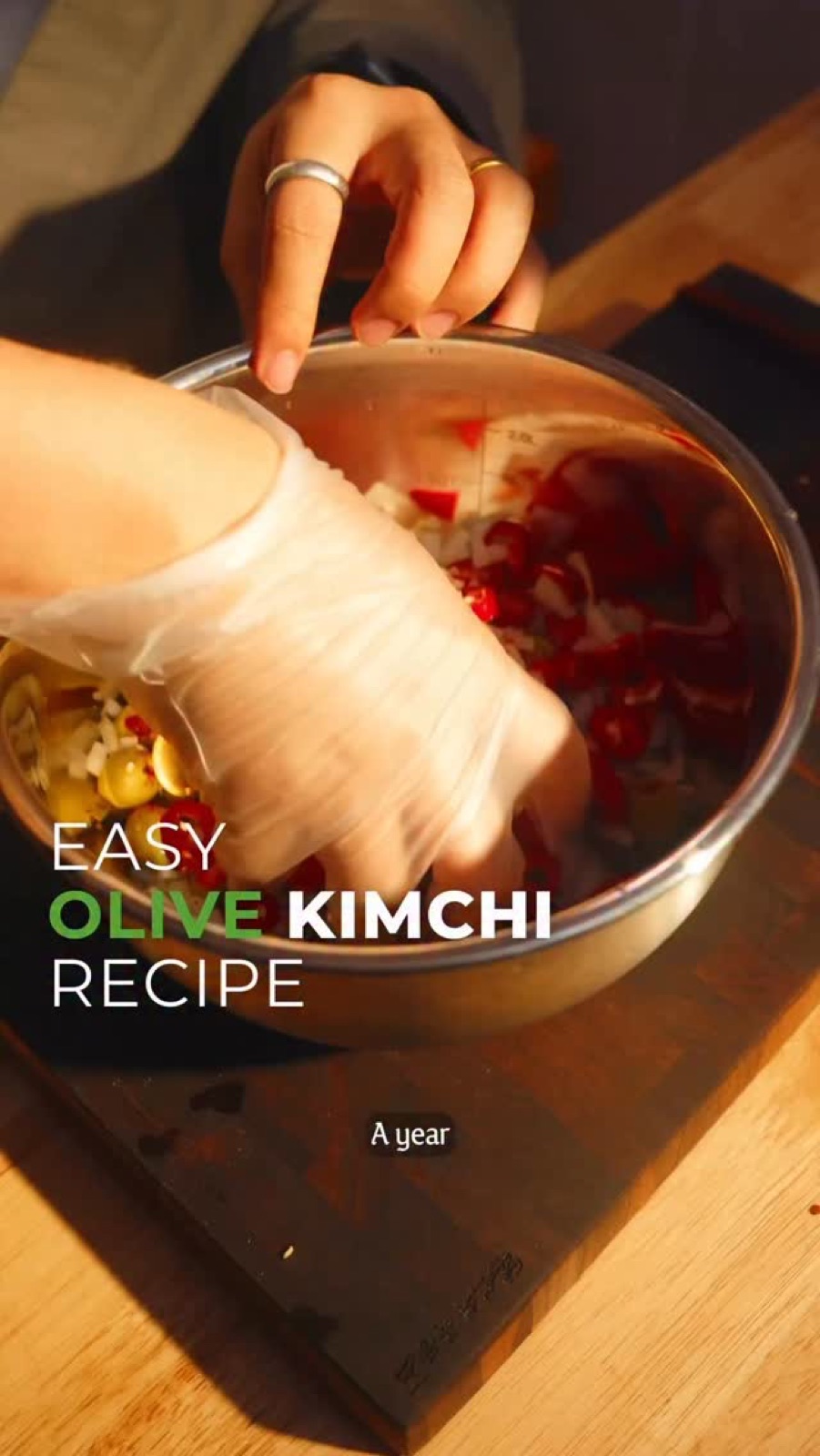
Mini red radish kimchi starts with a supermarket question: can these small red radishes be turned into kimchi? They are not the radish normally used for it, but their compact size and clean crunch make them an appealing base for a small batch. The seasoning stays firmly Korean, combining anchovy stock, salted shrimp, pear, gochugaru and rice paste in a bold blended sauce.
This mini red radish kimchi recipe keeps the method direct. Salt the sliced radishes for 30 minutes, blend the seasoning, rinse once, mix and leave the finished batch at room temperature for 1.5 days before moving it to the fridge. Serve it cold with hot seollongtang, a rice bowl or grilled meat when you want something spicy and crunchy alongside the meal.
Why Use Mini Red Radishes for Kimchi?
Mini red radishes are the deliberate twist in this recipe. I found them at a supermarket and wondered whether they could be turned into kimchi, even though this type of radish is not normally used for it. That question became the entire point of the batch.
Mini red radishes bring a clean crunch. Cutting them into bite-sized pieces makes them easier to brine, season and serve. Their red skins also stay visible beneath the gochugaru seasoning, giving this small-batch kimchi a distinct look without changing the familiar structure of a Korean kimchi paste.
This is not presented as a replacement for every Korean radish kimchi. It is a focused way to use two batches of mini red radishes with a seasoning built from anchovy stock, salted shrimp, pear and chilli flakes. The result is intended as a cold, spicy and crunchy side for Korean meals.
What Ingredients Do You Need?
For the radishes and brine:
- 2 batches mini red radishes
- 2 tablespoons coarse salt
For the blended kimchi paste:
- 1 small onion, sliced
- 7 cloves garlic
- 1 cup anchovy stock
- 1 teaspoon bone broth powder, optional
- 1 cup rice paste
- 1/4 cup pear puree or pear juice
- 1 tablespoon anchovy fish sauce
- 1 teaspoon ginger powder
- 1 tablespoon salted shrimp
- 1 tablespoon plum syrup
- 1 teaspoon MSG
- 1 to 2 pinches sea salt
- A small dab of maple syrup, optional
To finish:
- 2 to 3 tablespoons Korean red pepper flakes, gochugaru
- Sliced green onions or chives
Use pear puree or pear juice, and finish with sliced green onions or chives. Bone broth powder and the small dab of maple syrup are optional. Mini red radishes vary in size, so the recipe keeps the original measure of two batches rather than assigning an unreliable number of portions.
For another kimchi-centred idea, see the kimchi pork jowl pasta recipe. The Okdongsik pork gukbap recipe is another soup-and-rice dish to keep in your Korean cooking list.
How Do You Brine the Mini Radishes?
Trim the stems from the mini red radishes, then slice each radish into bite-sized pieces. Keeping the pieces small makes them easier to salt evenly and easier to eat once the kimchi is ready.
Toss the sliced radishes with 2 tablespoons coarse salt. Leave them for 30 minutes so the salt can draw out moisture. There is no need to extend the brine or add another stage.
While the radishes sit, make the seasoning base. This keeps the process moving without changing the brining time. When the 30 minutes are complete, rinse the radishes once and do it lightly. Drain them well before the blended paste is added.
How Do You Blend the Kimchi Paste?
Start the paste with one sliced small onion and seven cloves of garlic. Blend them until smooth. Add 1 cup anchovy stock, the optional teaspoon of bone broth powder and 1 cup rice paste, then add 1/4 cup pear puree or pear juice.
Season the mixture with 1 tablespoon anchovy fish sauce, 1 teaspoon ginger powder, 1 tablespoon salted shrimp, 1 tablespoon plum syrup, 1 teaspoon MSG and 1 to 2 pinches sea salt. For a rounder sweetness, add an optional small dab of maple syrup.
Blend the full mixture until smooth. The anchovy stock and salted shrimp form the savoury base, while the pear and plum syrup provide measured sweetness. Blend the rice paste into the same mixture rather than stirring it into the radishes separately.
When Do You Add the Gochugaru?
Pour the smooth kimchi paste over the lightly rinsed and well-drained radishes. Add 2 to 3 tablespoons gochugaru at this stage, then mix thoroughly so the red pepper flakes and blended paste coat every bite-sized piece.
Add the gochugaru after blending the base. Blend the onion, garlic, stock, rice paste, pear and seasonings first, then pour the paste over the radishes and mix in the chilli flakes.
Add sliced green onions or chives after the gochugaru has been mixed through. Toss everything again so the final green ingredient is spread across the batch. The kimchi is then ready for its room-temperature stage.
How Long Should It Ferment?
Leave the mixed mini red radish kimchi at room temperature for 1.5 days, then transfer it to the fridge. The exact fermentation speed will vary with room temperature, so check the kimchi as it develops rather than extending the schedule automatically.
The room-temperature stage happens only after the radishes have been brined, rinsed, drained and completely coated with the paste, gochugaru and sliced green onions or chives. Follow that order before starting the 1.5-day count.
Once it moves to the fridge, serve the kimchi cold and follow current food-safety guidance for storage.
What Should You Serve with Red Radish Kimchi?
Serve this kimchi cold with hot seollongtang. The spicy, crunchy radishes can sit on top of the soup or accompany it at the table.
It also works as a side for rice bowls and grilled meats. Those are the three serving contexts supplied by the recipe: seollongtang, rice bowls and grilled meat. Each gives the cold radish crunch a warm or savoury dish to sit beside.
Keep the pieces bite-sized when serving. That size was set before brining and makes the finished radishes easy to pick up with a bowl of soup, rice or meat.
What Makes This Small Batch Work?
The recipe is built around contrast. Mini red radishes bring the clean crunch, while the blended paste brings anchovy stock, salted shrimp, pear, plum syrup and gochugaru. The brining step draws out moisture before the paste is added, and the single light rinse prevents an unnecessary extra wash from entering the method.
Its timing is equally clear. Brine for 30 minutes, mix thoroughly, ferment at room temperature for 1.5 days and then refrigerate. Those source-backed cues are more useful than adding guessed prep totals or a made-up yield.
For anyone who spots mini red radishes at the supermarket and asks the same question, this recipe gives them a Korean kimchi treatment with exact seasoning quantities and a compact sequence.
FAQ
Can mini red radishes be made into kimchi?
Yes. This recipe uses two batches of mini red radishes, sliced into bite-sized pieces and seasoned with a Korean kimchi paste. They are not the radish normally used for kimchi, which is why the ingredient is the twist.
How long do the radishes brine?
Toss them with 2 tablespoons coarse salt and leave them for 30 minutes. Rinse them once, lightly, then drain well.
Can I use pear juice instead of pear puree?
Yes. The recipe calls for 1/4 cup pear puree or pear juice, so either works here.
How is the finished kimchi served?
Serve it cold after the 1.5-day room-temperature stage and transfer to the fridge. It is especially recommended with hot seollongtang, rice bowls or grilled meats.