Frozen paratha makes a convincing shortcut for hotteok when you want the crisp shell and molten cinnamon-sugar centre without making yeasted dough from scratch. I tested the viral method because it looked almost too easy. It works, but the result depends on handling the dough at the right moment.
The paratha has to stay cold until the filling is ready. Once it over-thaws, it becomes sticky and difficult to shape or seal. Work quickly, fry the filled dough until both sides are golden, and serve it while the centre is still hot and gooey.
Recipe credit goes to @onetable365.
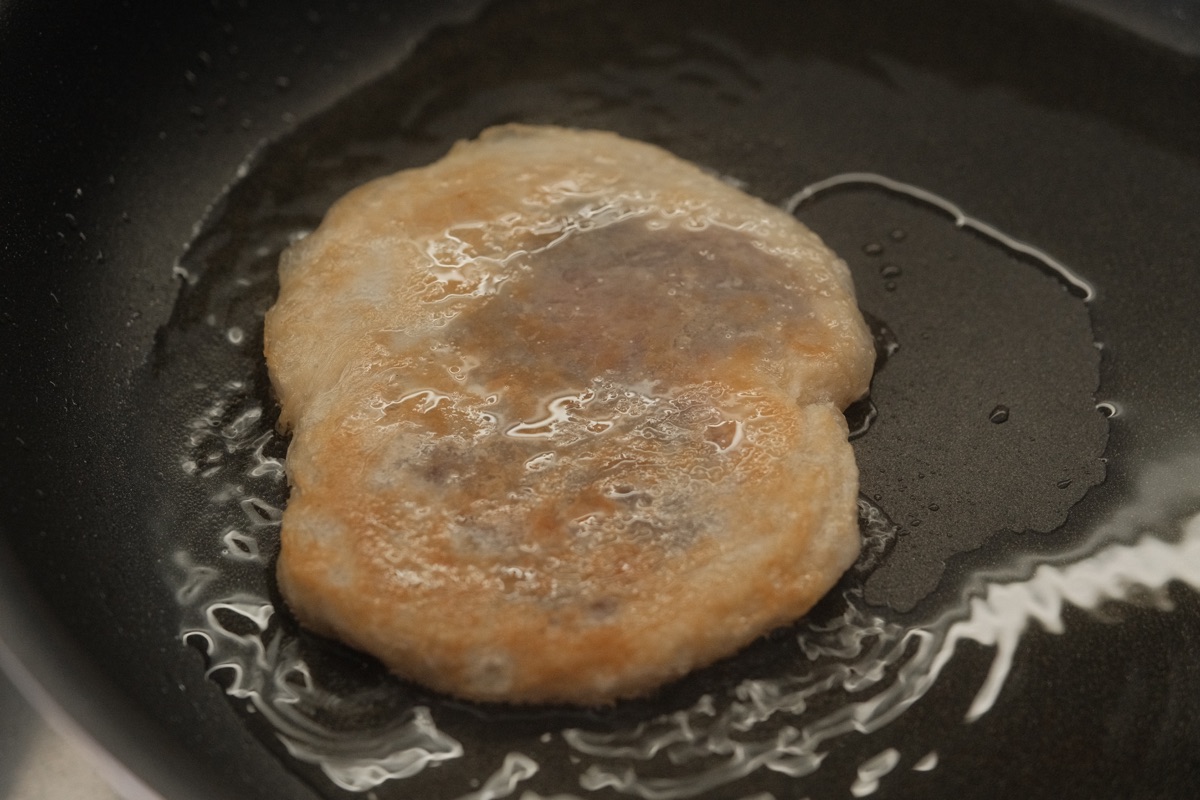
Why Does Frozen Paratha Work for Hotteok?
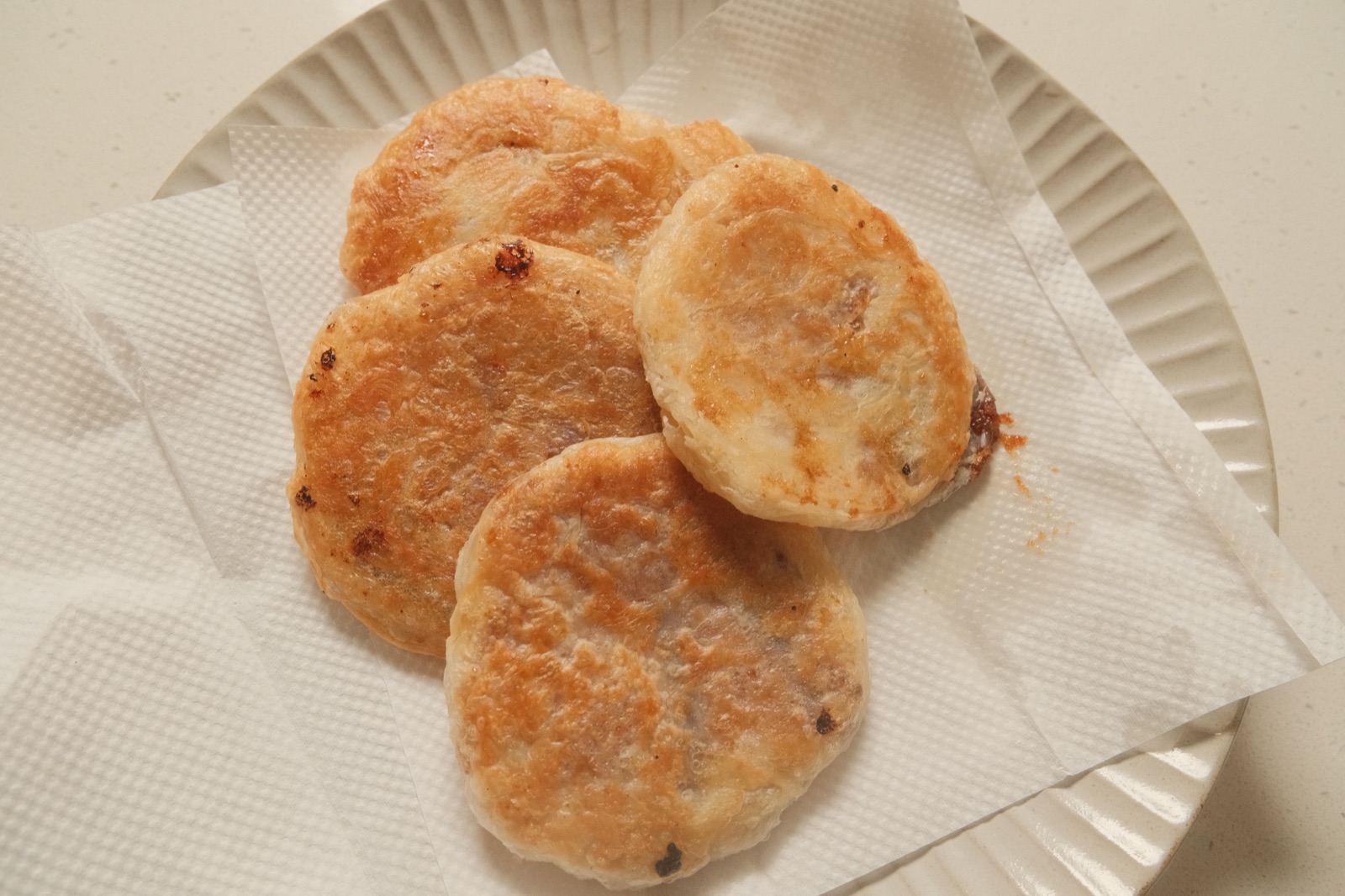
Frozen paratha replaces the traditional hotteok dough in this shortcut. That changes the texture, but it is the reason the method is so easy. The cooked exterior becomes especially crisp and flaky, while the brown sugar and cinnamon melt into the sweet centre expected from hotteok.
This is not traditional hotteok. It is a frozen-dough shortcut that removes the hardest part of the usual method. The result was close enough to the real thing that I would make it again.
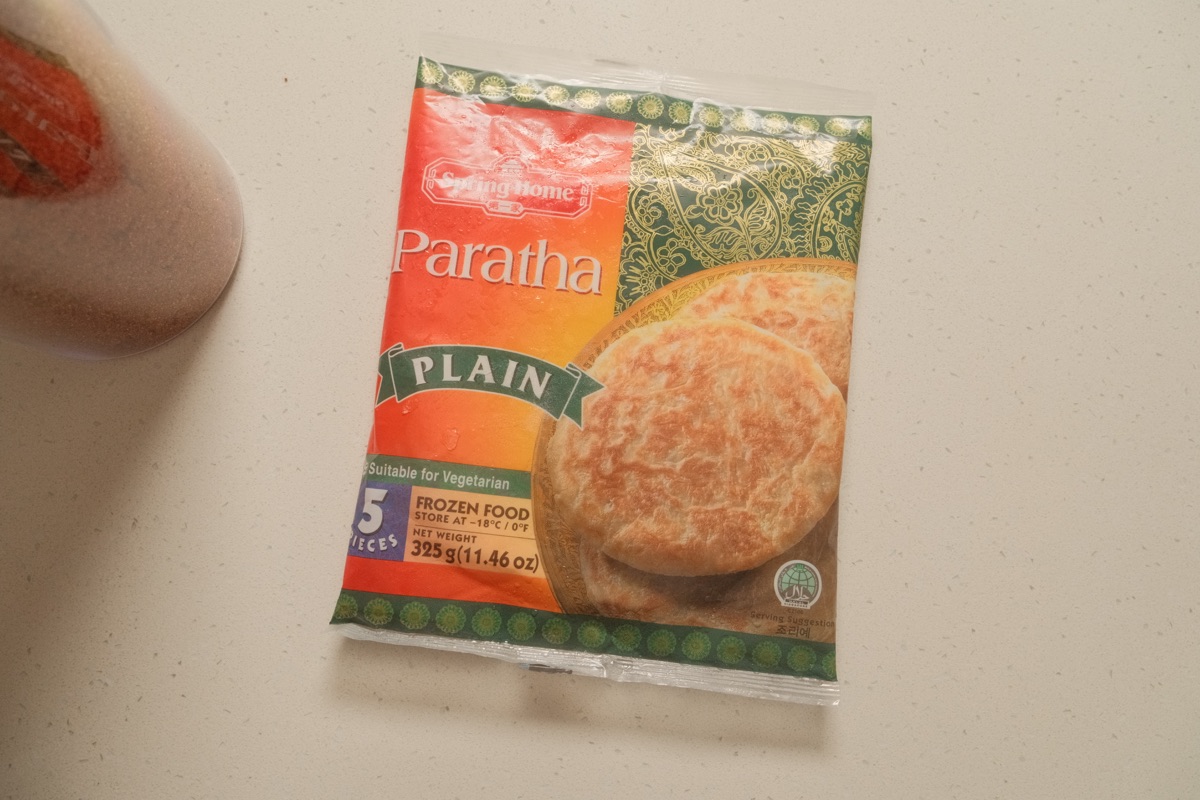
What Ingredients Do You Need?
- 4 frozen paratha sheets
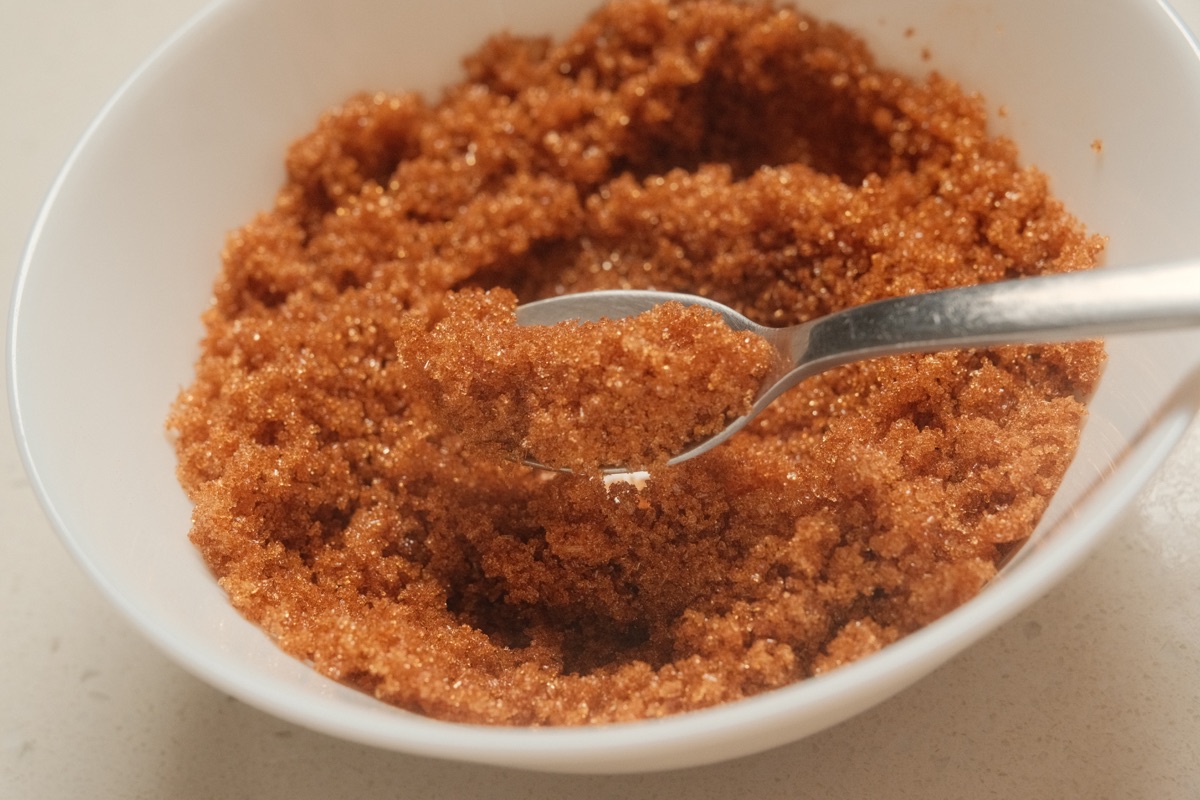
- 1 cup brown sugar
- 2 teaspoons ground cinnamon
- Chopped assorted nuts, optional
- Cooking oil, about 6 swirls or enough to coat the pan evenly
The filling stays simple. Brown sugar and cinnamon provide the hot, gooey centre, while chopped nuts are optional. Prepare the entire filling before taking a paratha sheet out of the freezer.
How Do You Make Frozen Paratha Hotteok?
- Mix the brown sugar and ground cinnamon in a bowl. Stir in chopped assorted nuts if you are using them.
- Keep the paratha frozen until the filling is completely ready. Work with one sheet at a time so the remaining dough stays cold.
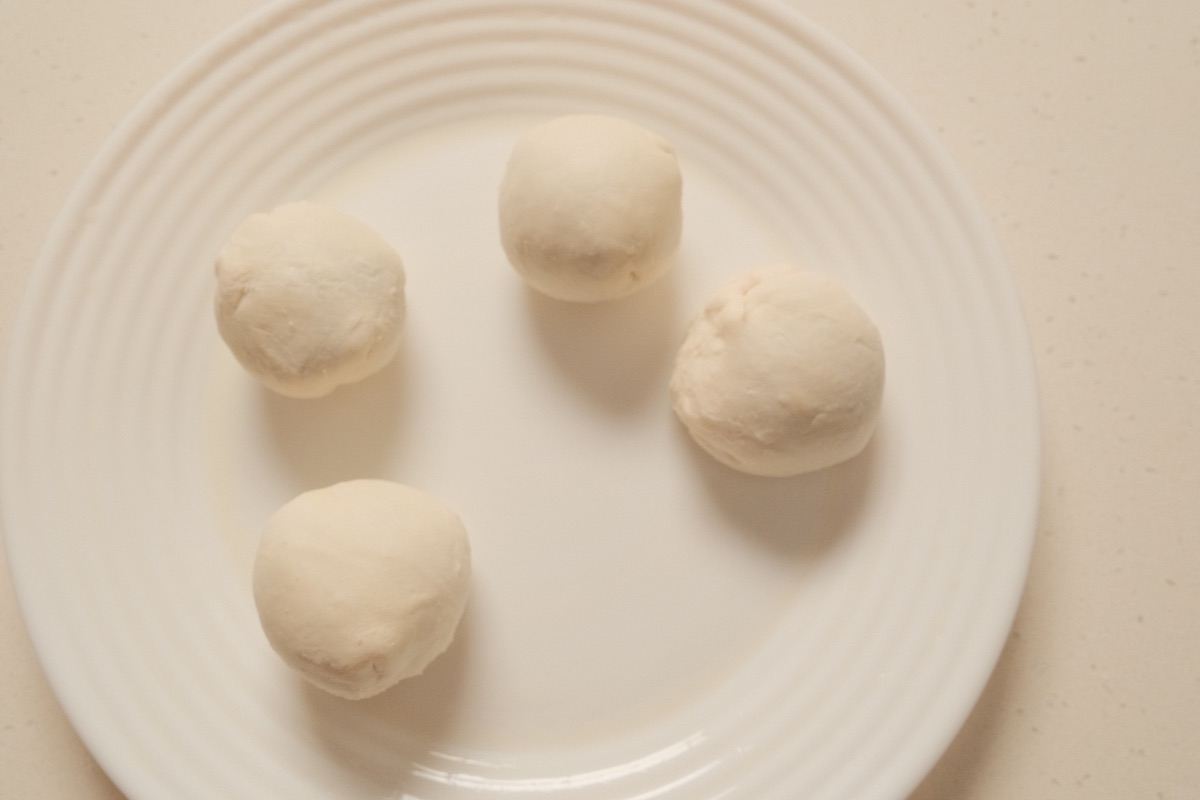
- Tear off enough dough to form a ball, then flatten it with your hands.
- Place the cinnamon-sugar filling in the centre. Bring the edges together, seal the dough quickly and remove any excess dough before rolling it into a ball.
- Coat the pan evenly with about 6 swirls of cooking oil.
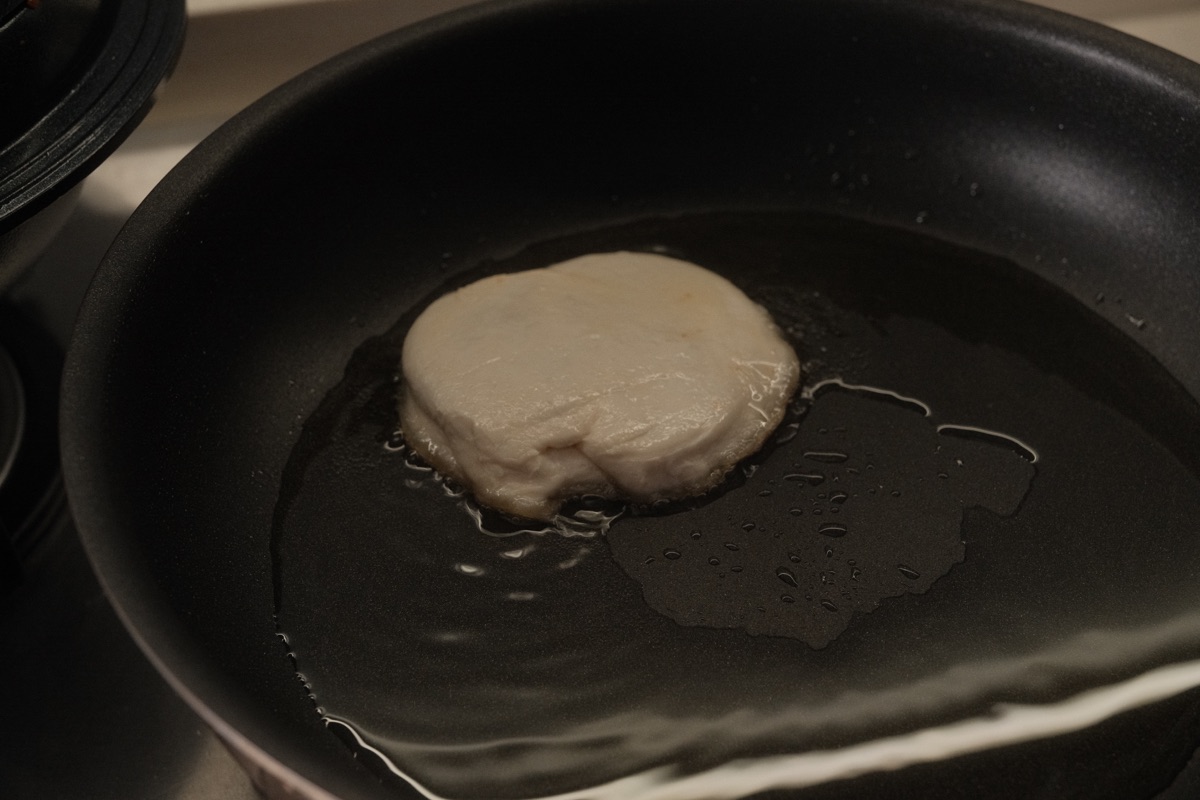
- Put the filled dough into the pan seam-side down. Press it flatter and cook until the underside is golden brown.
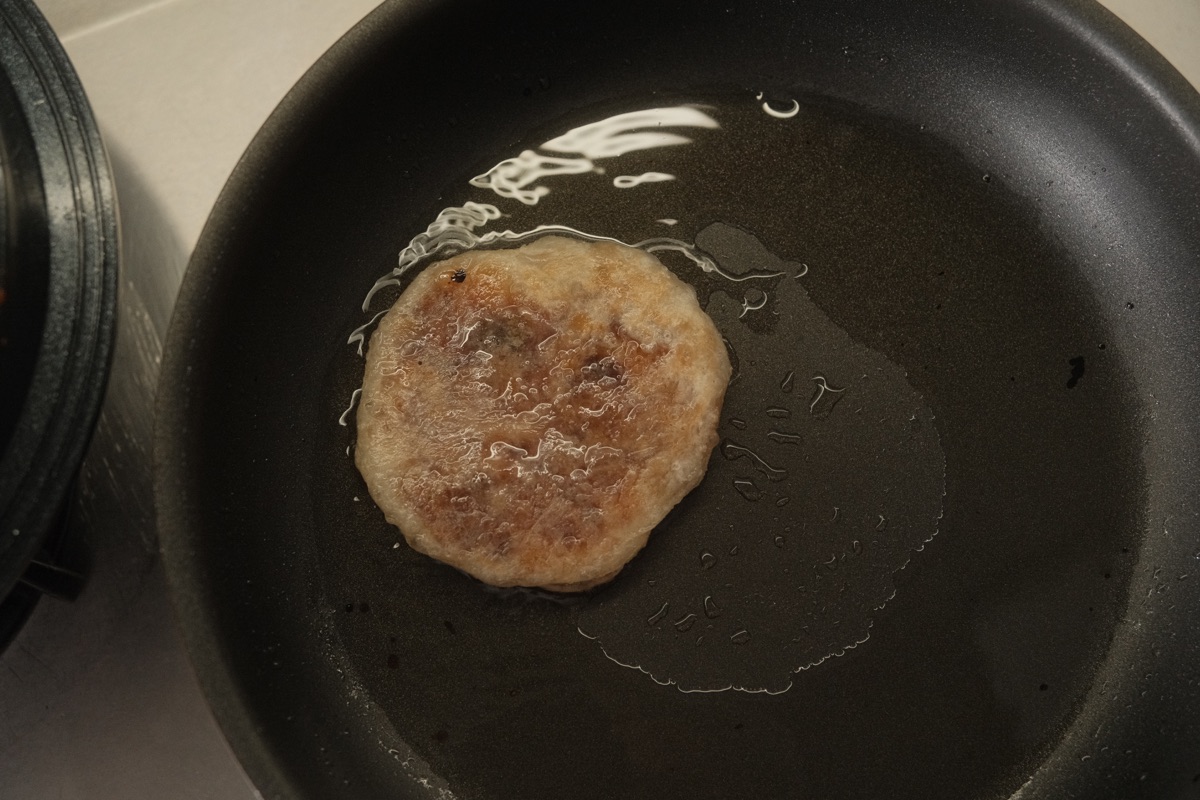
- Flip it and continue cooking until the second side is crisp and golden.
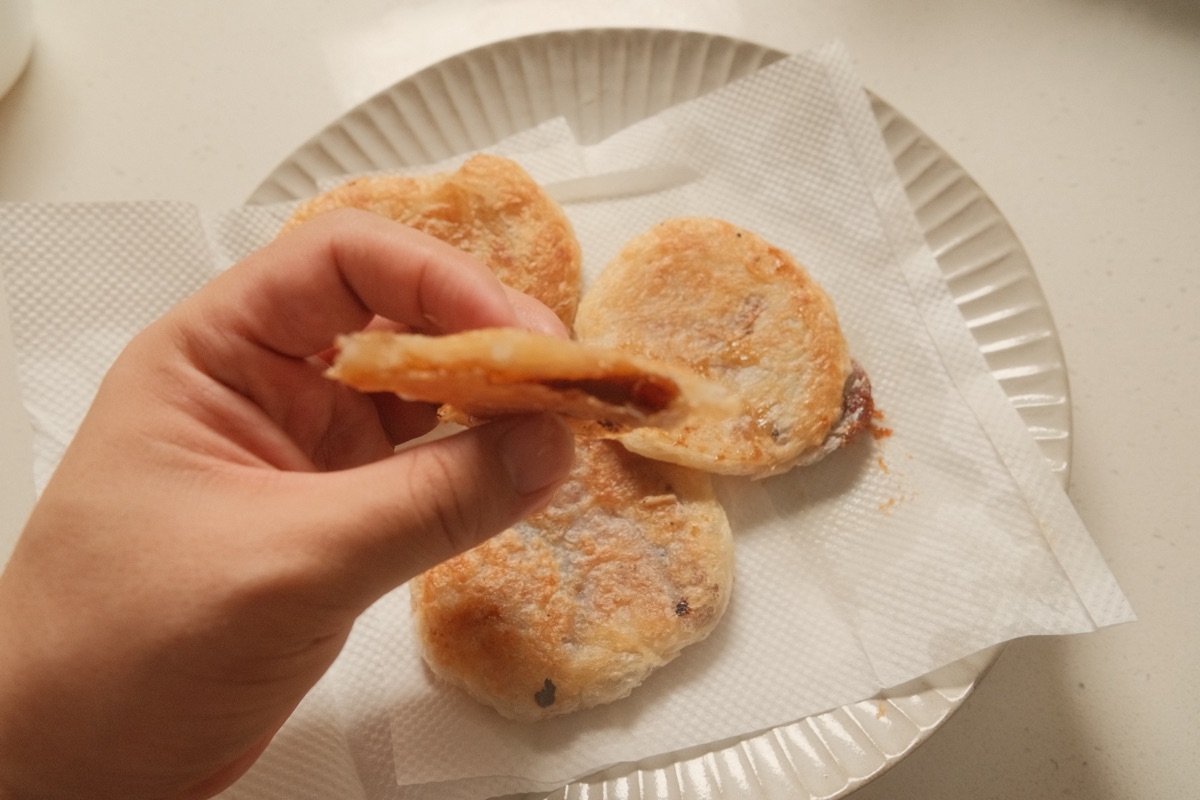
- Serve immediately while the outside is flaky and the filling is hot and gooey.
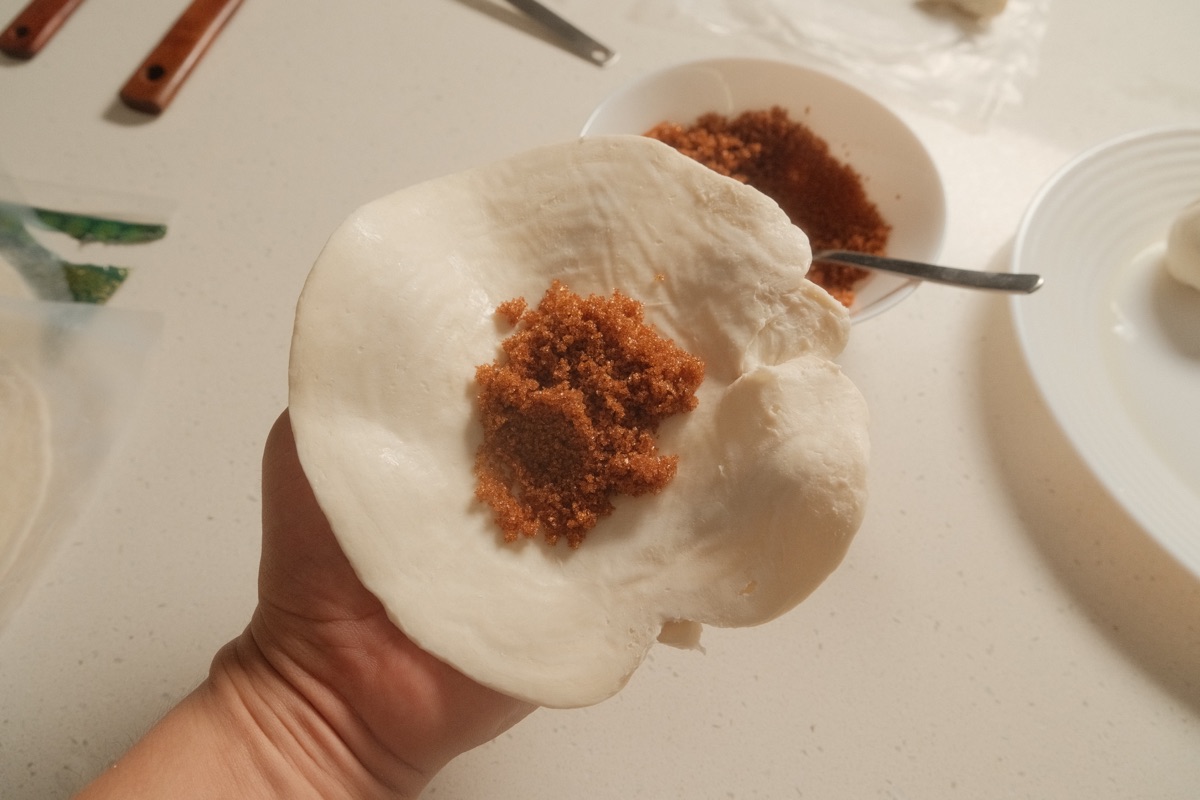
How Do You Stop the Dough From Becoming Sticky?
Timing is the most important part of this hotteok shortcut. Do not take all four paratha sheets out at once. Make the filling first, then remove and shape one sheet at a time.
If the paratha thaws too much, the dough becomes very sticky and almost impossible to shape. Seal the filled dough before it softens, then move it straight to the prepared pan. Keeping the remaining sheets frozen gives you a fresh, workable piece each time.
How Should You Shape and Fry It?
Bring the dough edges together over the filling and seal them firmly. Place the sealed side against the pan first. This gives the joined edges direct contact with the heat while the dough begins to set.
Press the ball flatter in the pan, then wait until the bottom is golden before flipping. Continue cooking until the other side is crisp and evenly coloured. The pan needs enough oil to coat its surface rather than leaving dry patches.
What Does Frozen Paratha Hotteok Taste Like?
The finished hotteok has an extra-crispy, flaky exterior from the paratha. Inside, the brown sugar becomes sweet and gooey, with cinnamon running through the filling. Optional chopped nuts add another texture without changing the basic method.
The shortcut does not recreate traditional dough exactly, but it delivers the contrast that makes hotteok satisfying: a crisp outside and a hot, soft centre. It is best eaten immediately, before the filling cools and the shell loses its fresh-from-the-pan texture.
What Can You Change?
The nuts are optional. Leave them out if you want a plain cinnamon-sugar filling. Keep the measured brown sugar and cinnamon mixture as the base, and do not change the handling rule: the filling should be ready before the paratha leaves the freezer.
The frozen paratha itself is the deliberate swap in this recipe. It is what makes the shortcut faster and gives the finished hotteok its particularly flaky shell.
FAQ
Should I thaw the paratha before shaping it?
No. Keep it frozen until the filling is ready, then work with one sheet at a time. Over-thawed paratha becomes sticky and difficult to seal.
Do I need to add nuts?
No. Chopped assorted nuts are optional. The filling still works with brown sugar and cinnamon alone.
When should I serve frozen paratha hotteok?
Serve it immediately after frying. The outside is crispest and the cinnamon-sugar centre is hot and gooey straight from the pan.
Is this traditional hotteok?
No. This version uses frozen paratha instead of traditional hotteok dough. It is a shortcut that produces an extra-crispy, flaky exterior and a sweet cinnamon centre.